2025.07.04
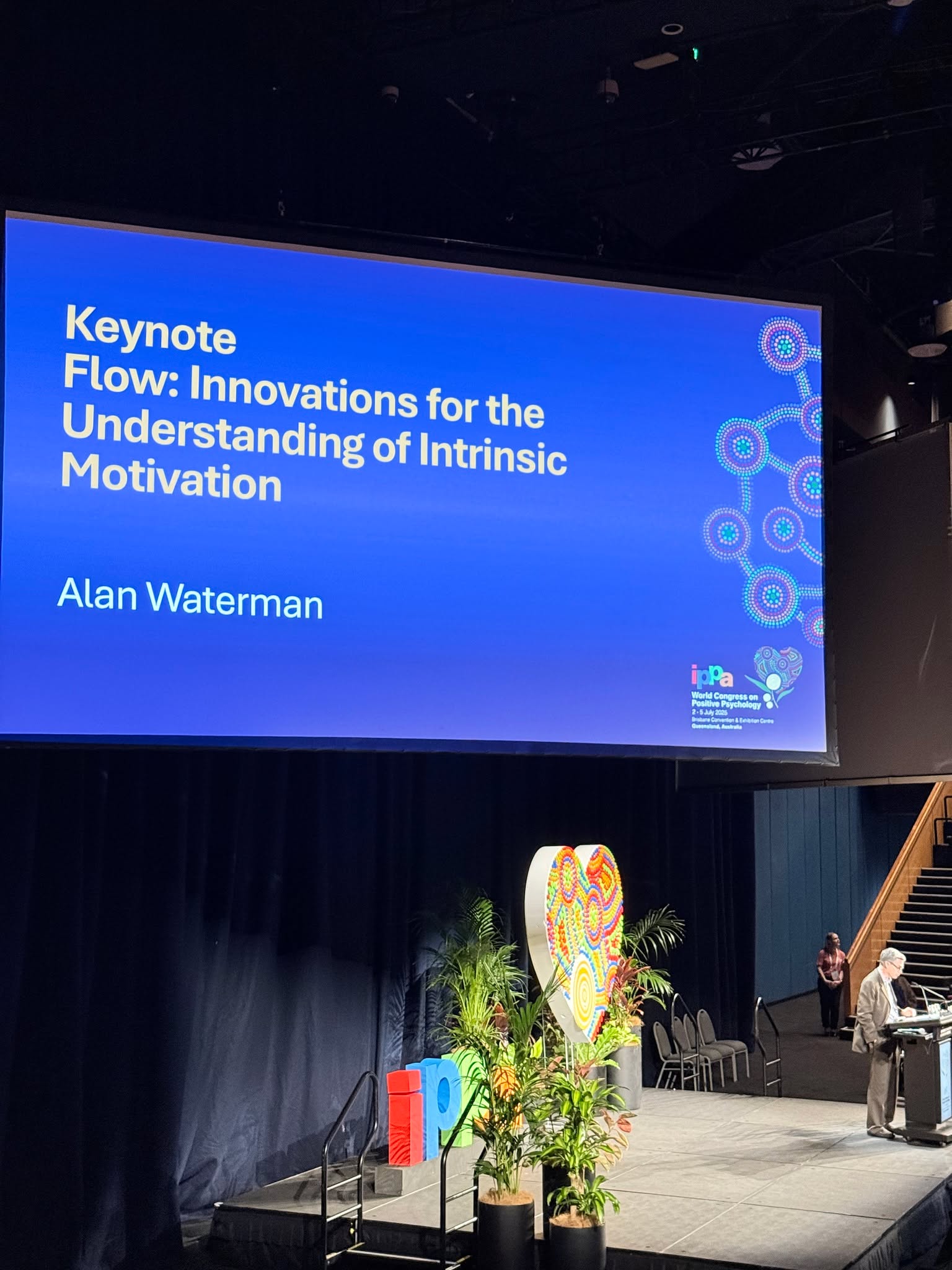
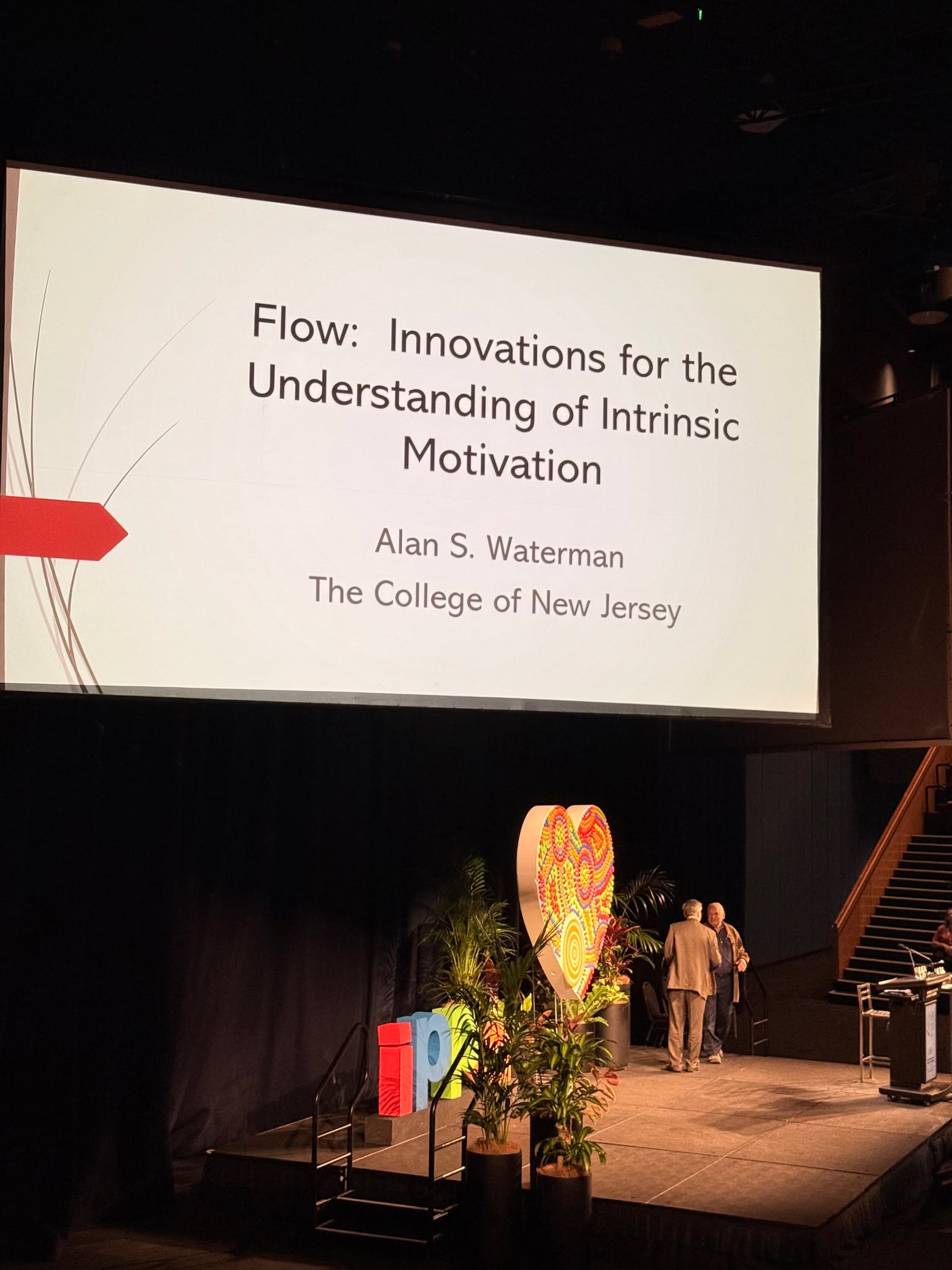
フロー:内発的動機づけを理解するためのイノベーション
byアラン・ウォーターマン先生
【IPPA2025 3日目】
16:45 - 17:25
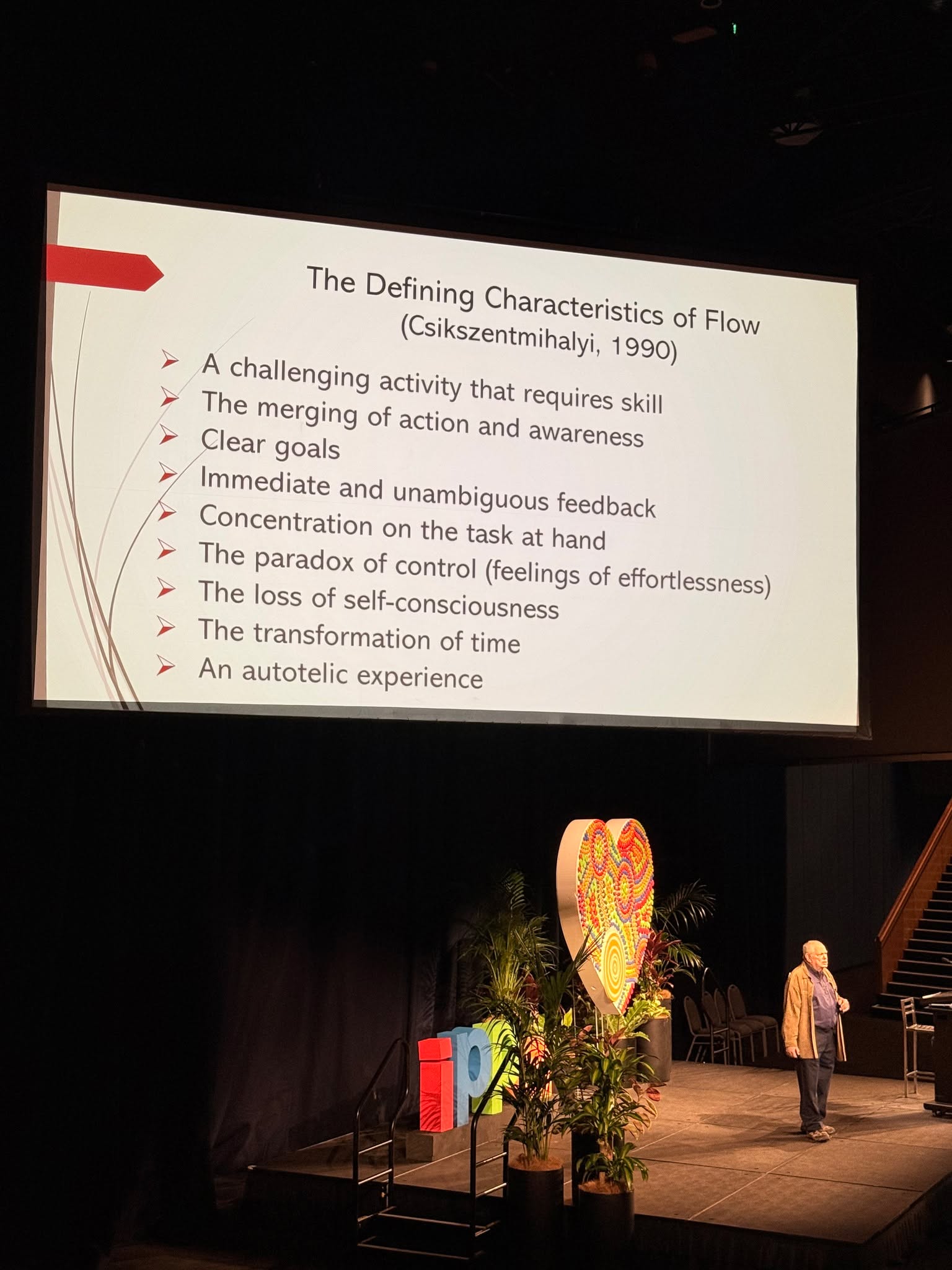
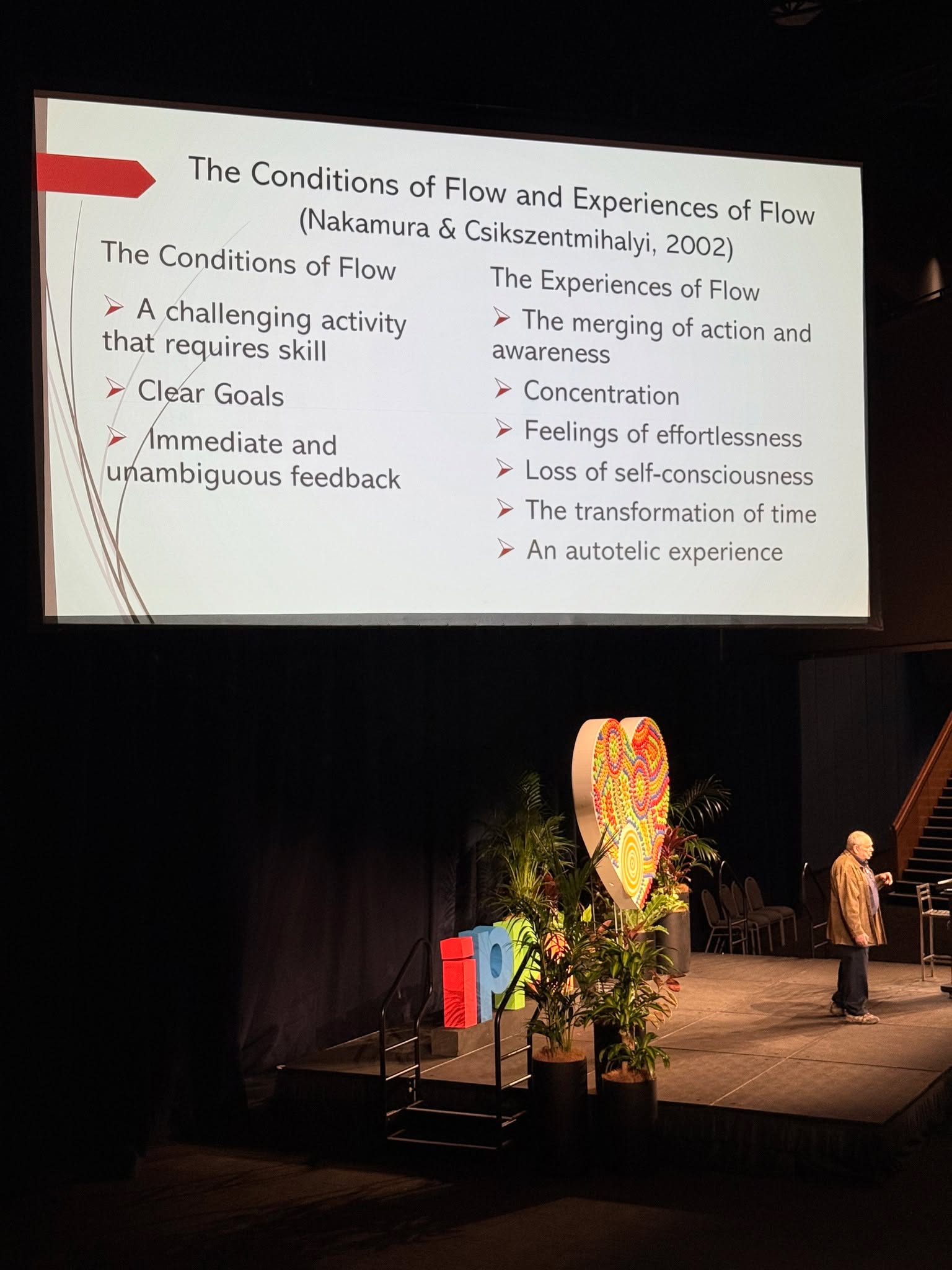
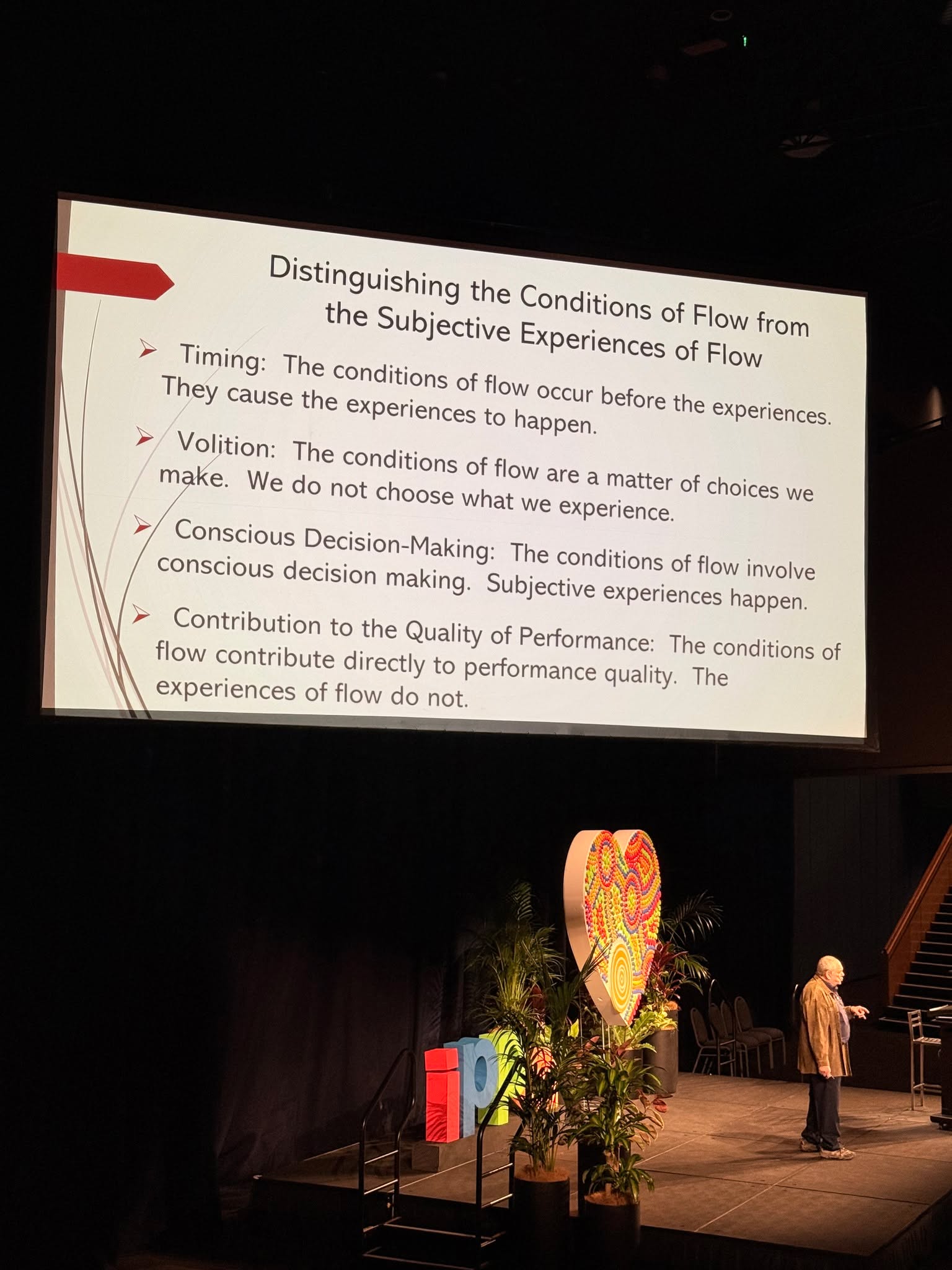
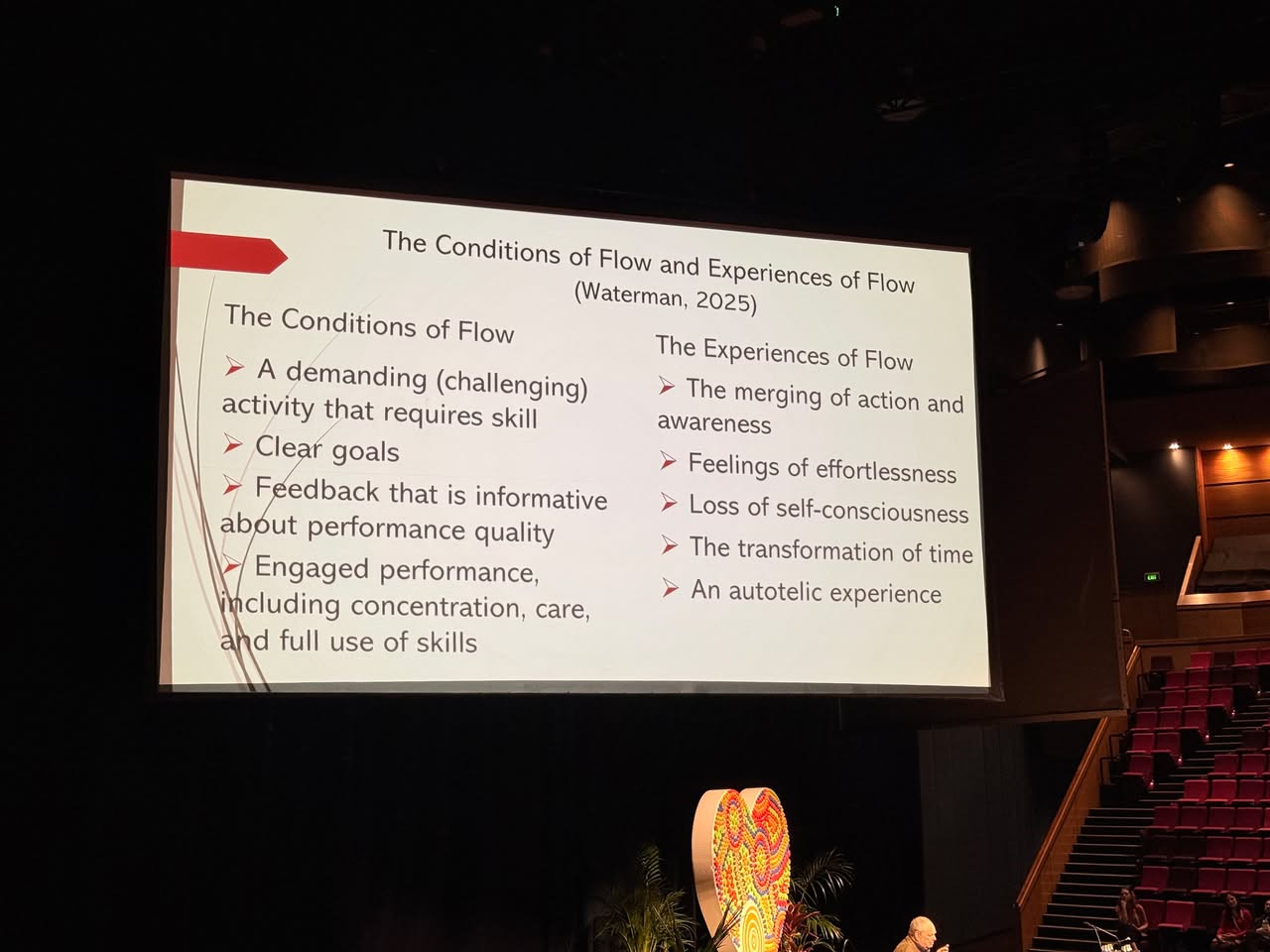
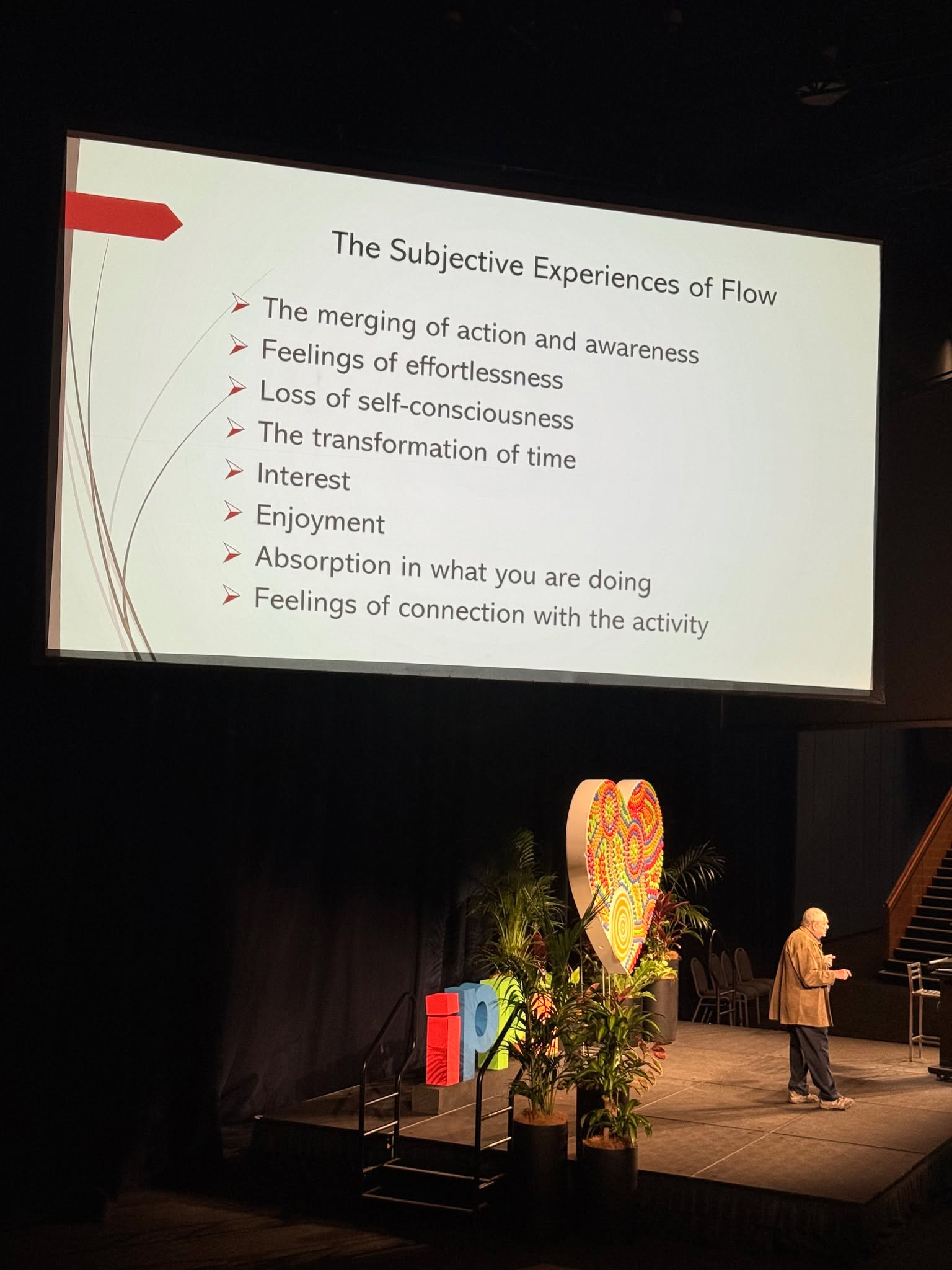
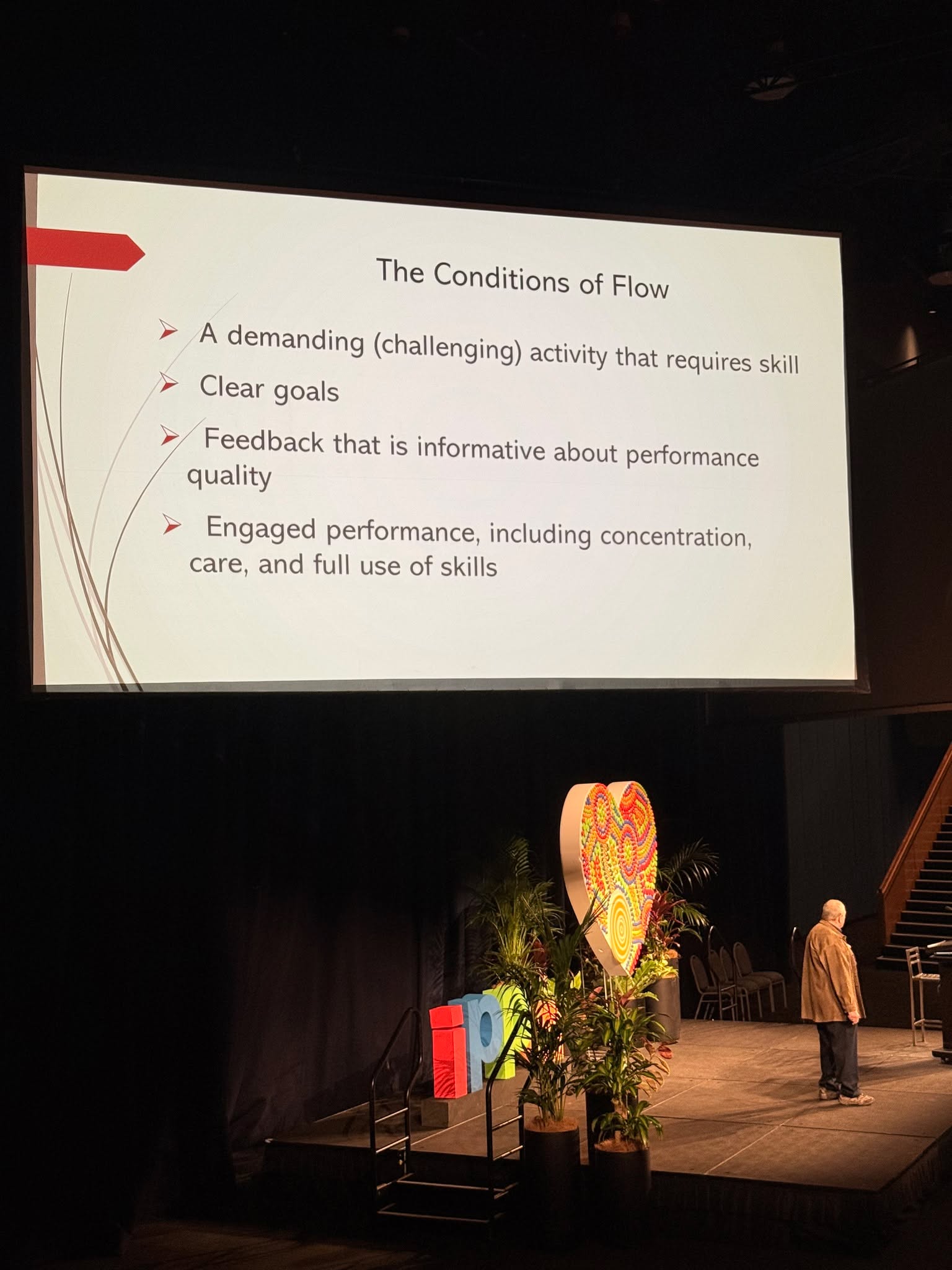
●フローに入る条件も色々言われてきたが、
2025年のウォーターマン先生の定義では、
①スキルを必要とする挑戦的な活動
②明確な目標
③有益なフィードバック
④集中力やスキルなどのフル活用、意欲的なパフォーマンス
むむむ、この投稿自体も割とフローかもしれません。
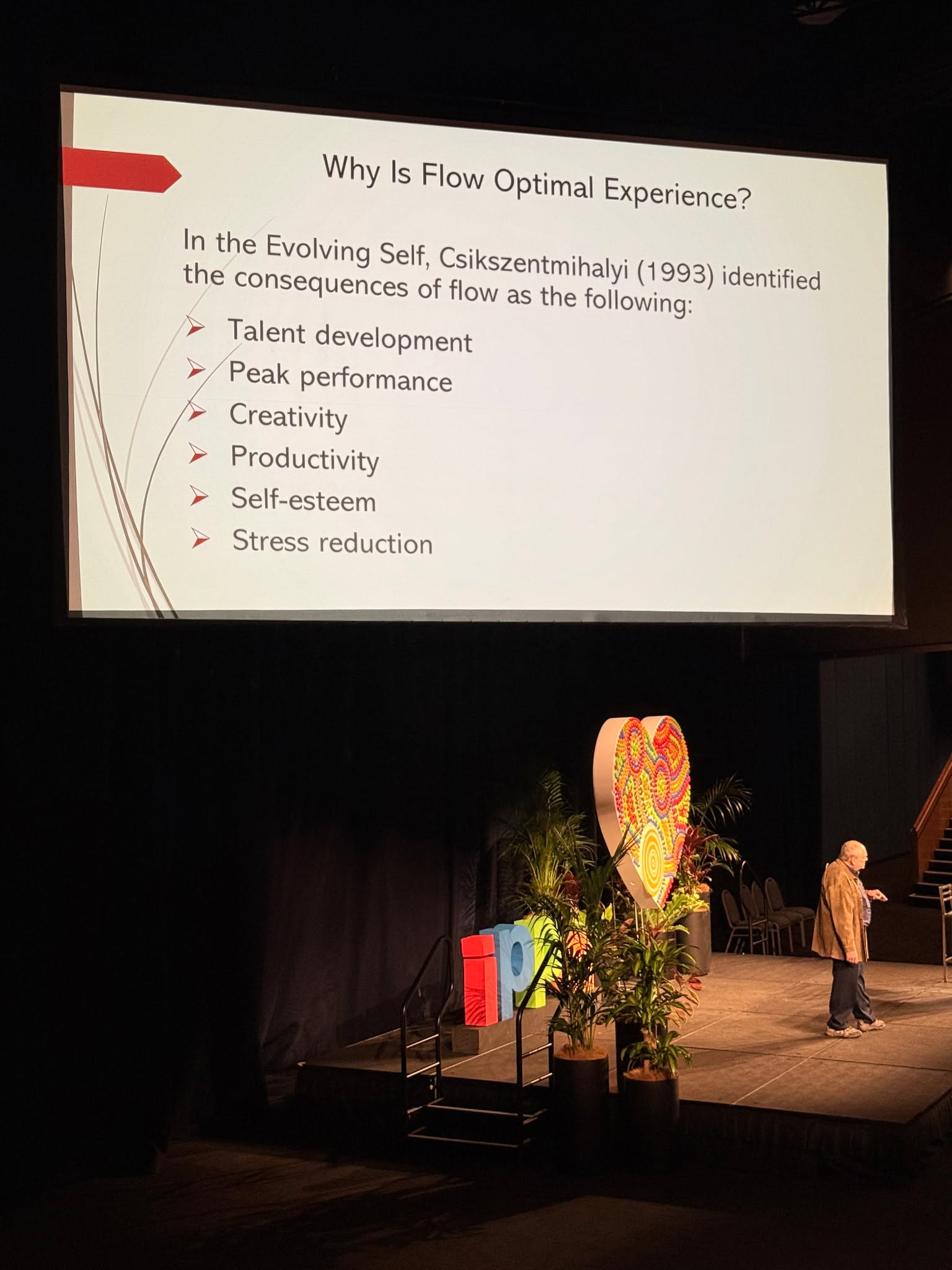
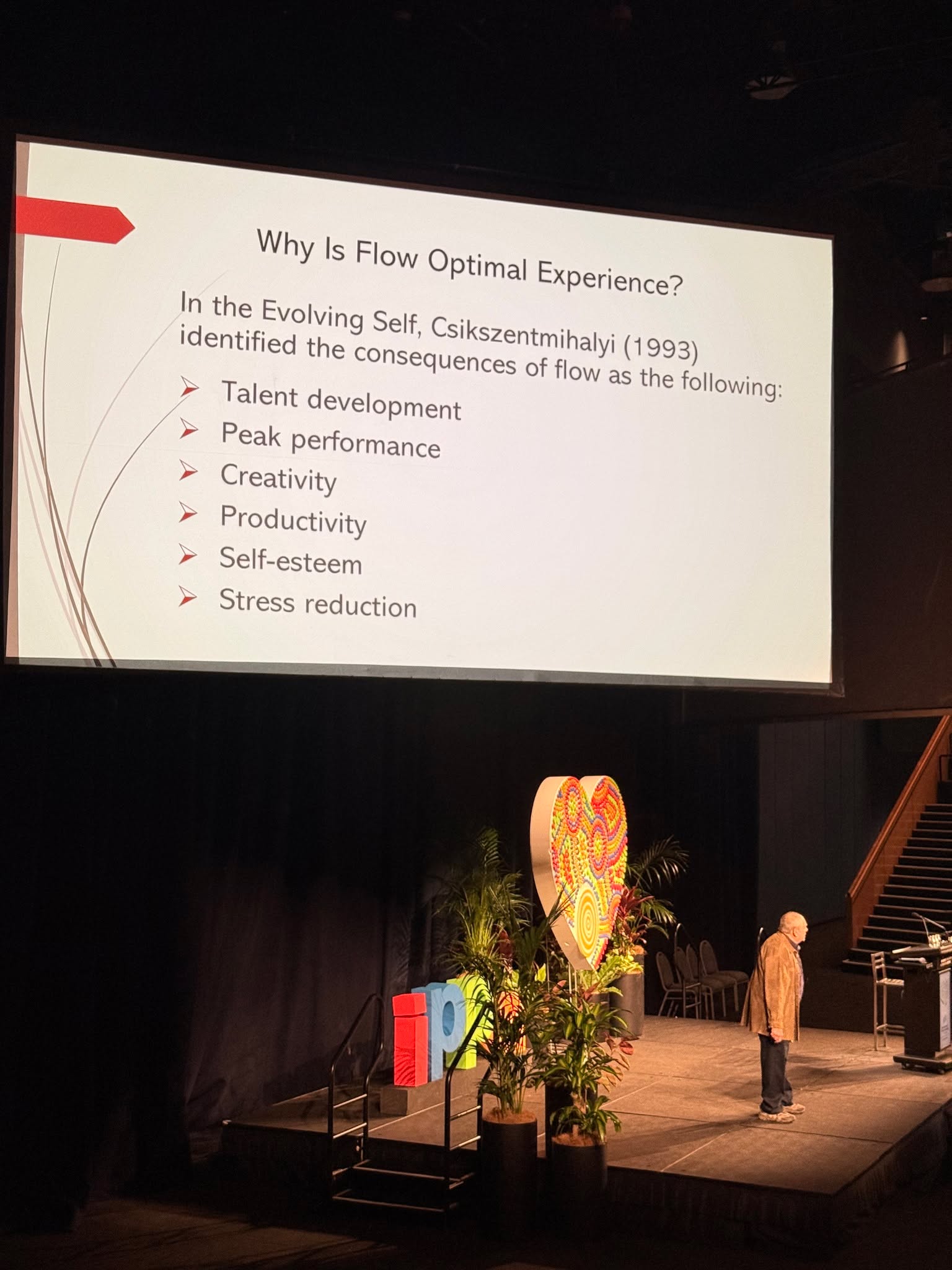
●フローに入ると良い事は沢山ある。
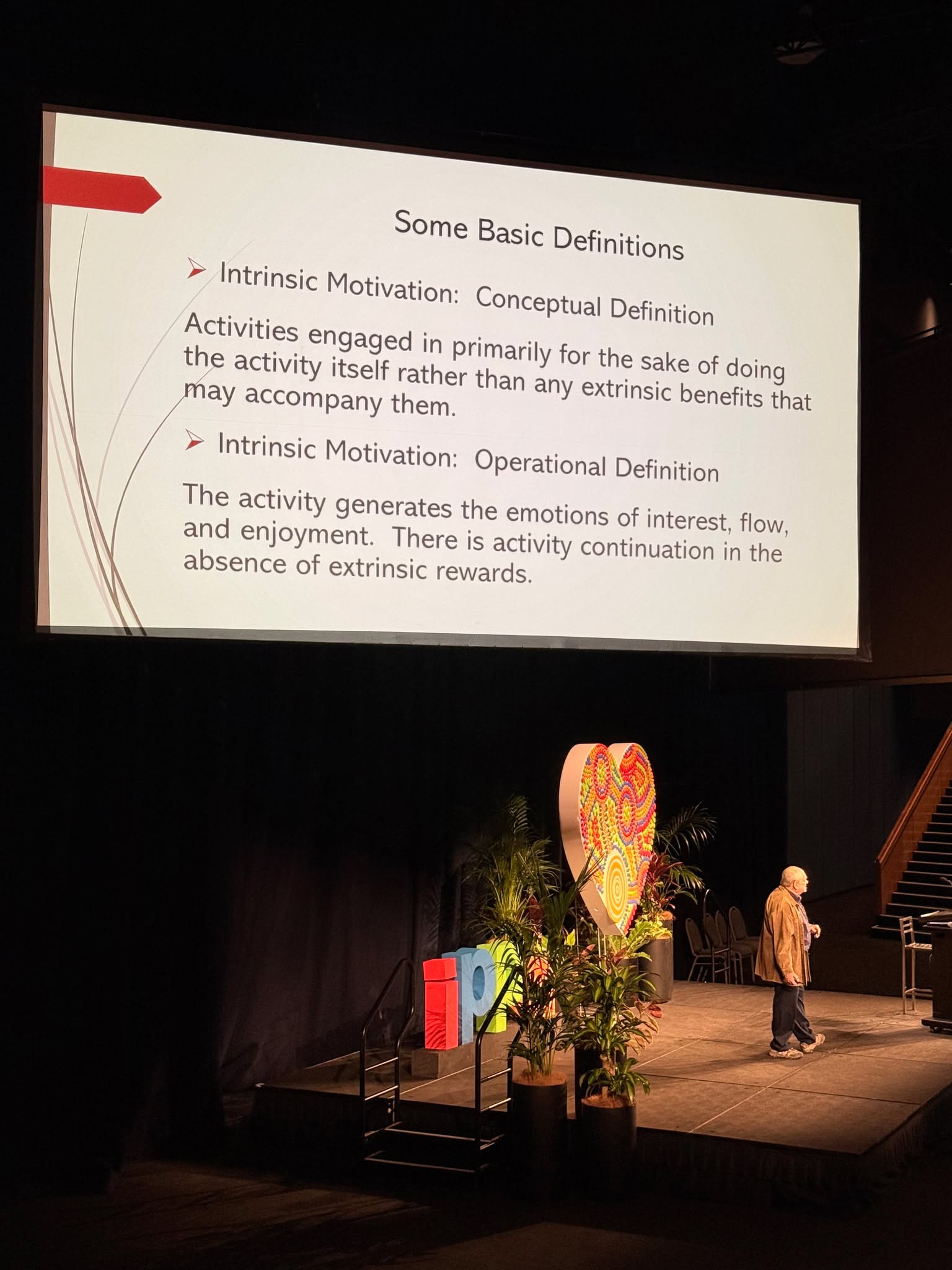
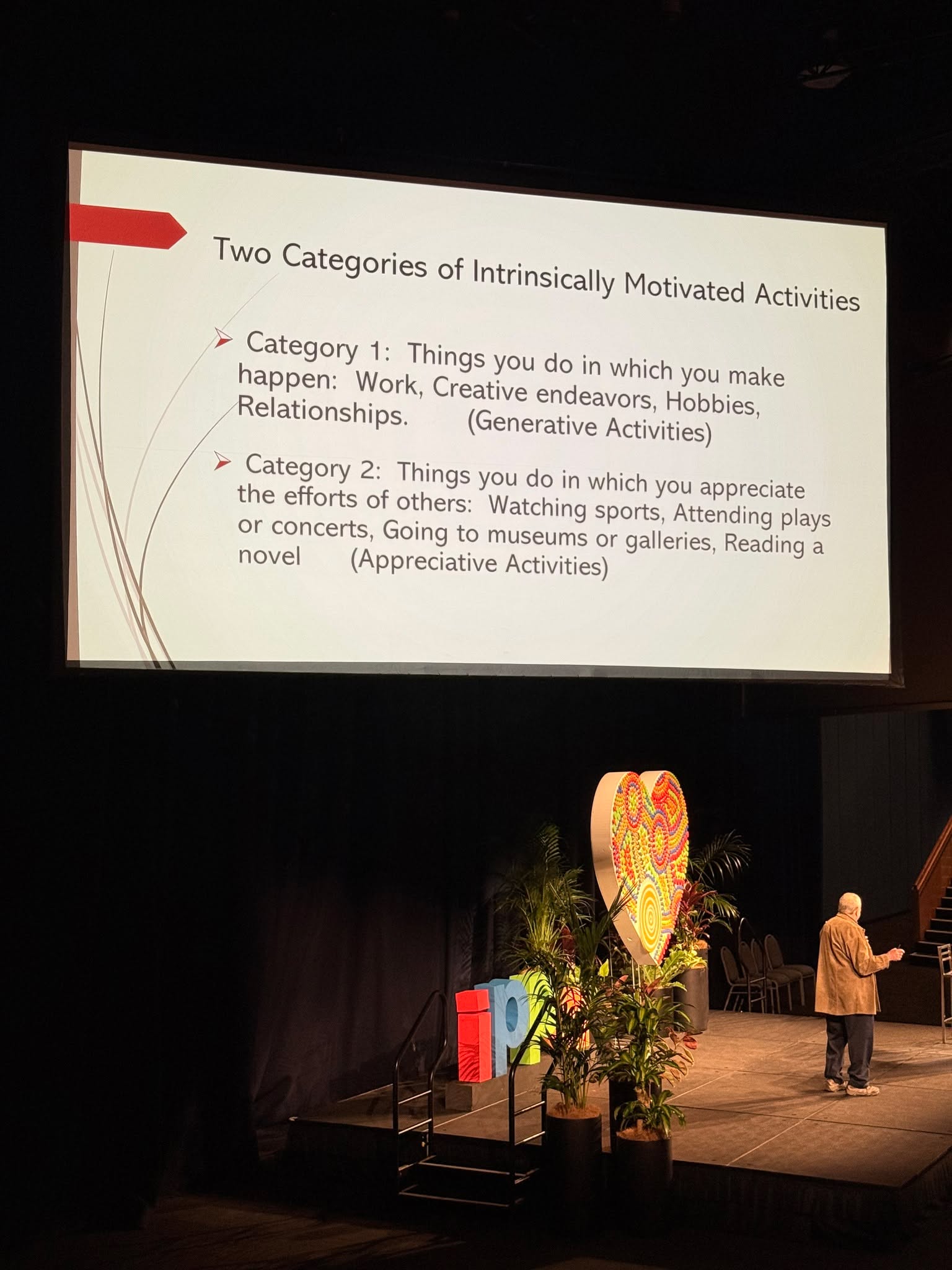
●本質的な内発的な動機づけは2つのカテゴリー
①Generative Activities
あなたが実現すること(生成活動)
②Appreciative Activities
他の誰かの努力に感謝すること(感謝の活動)
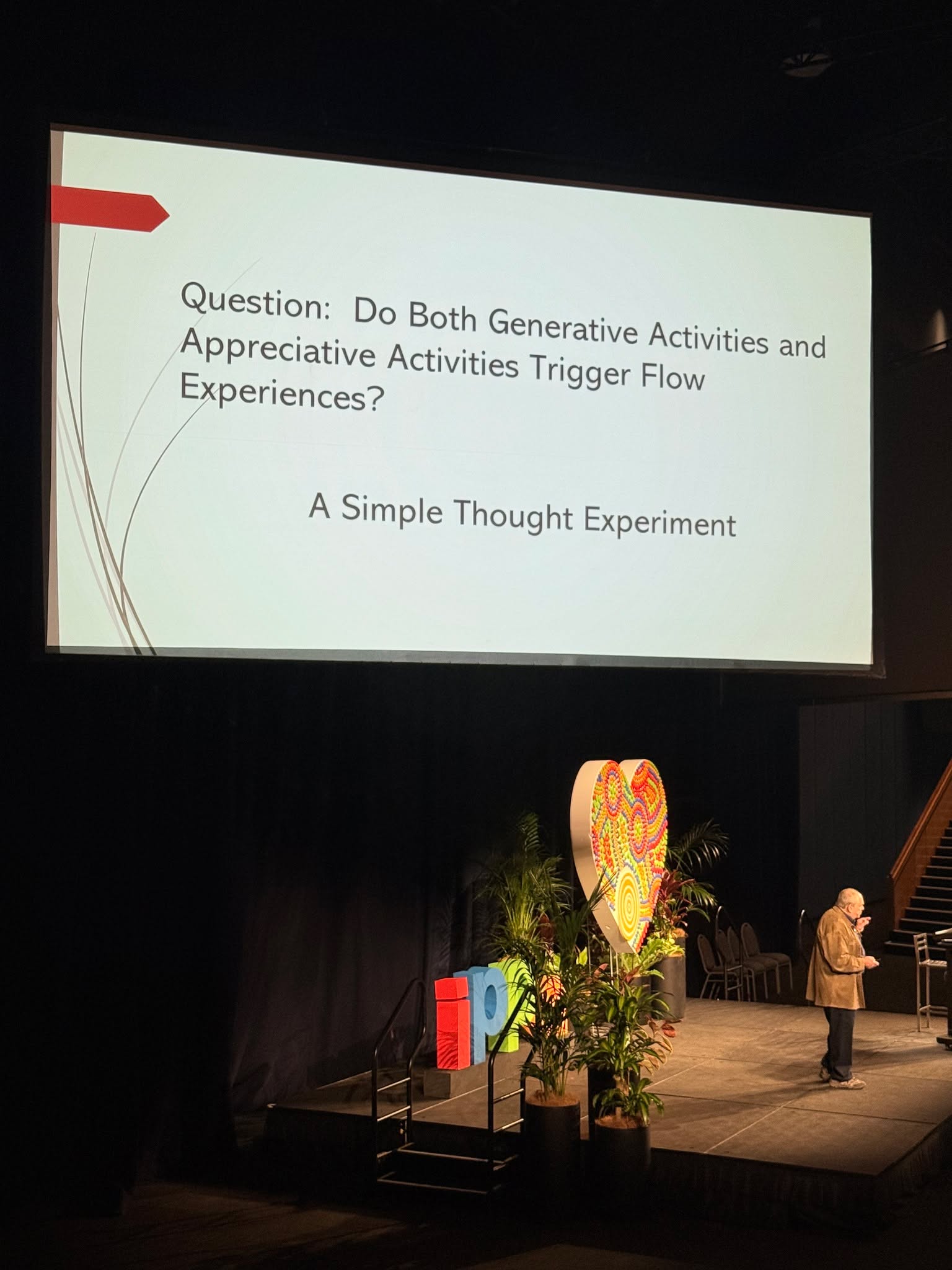
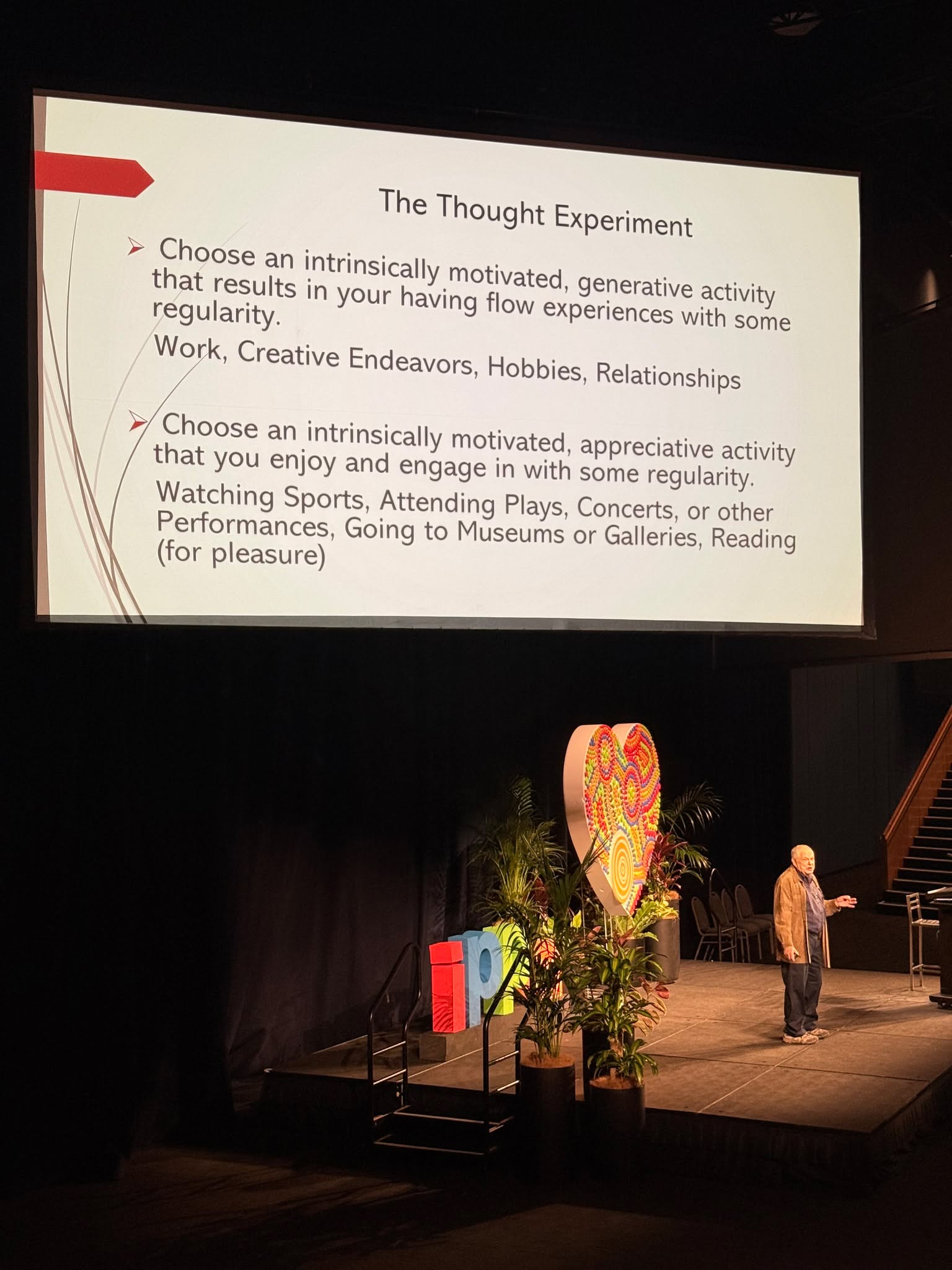
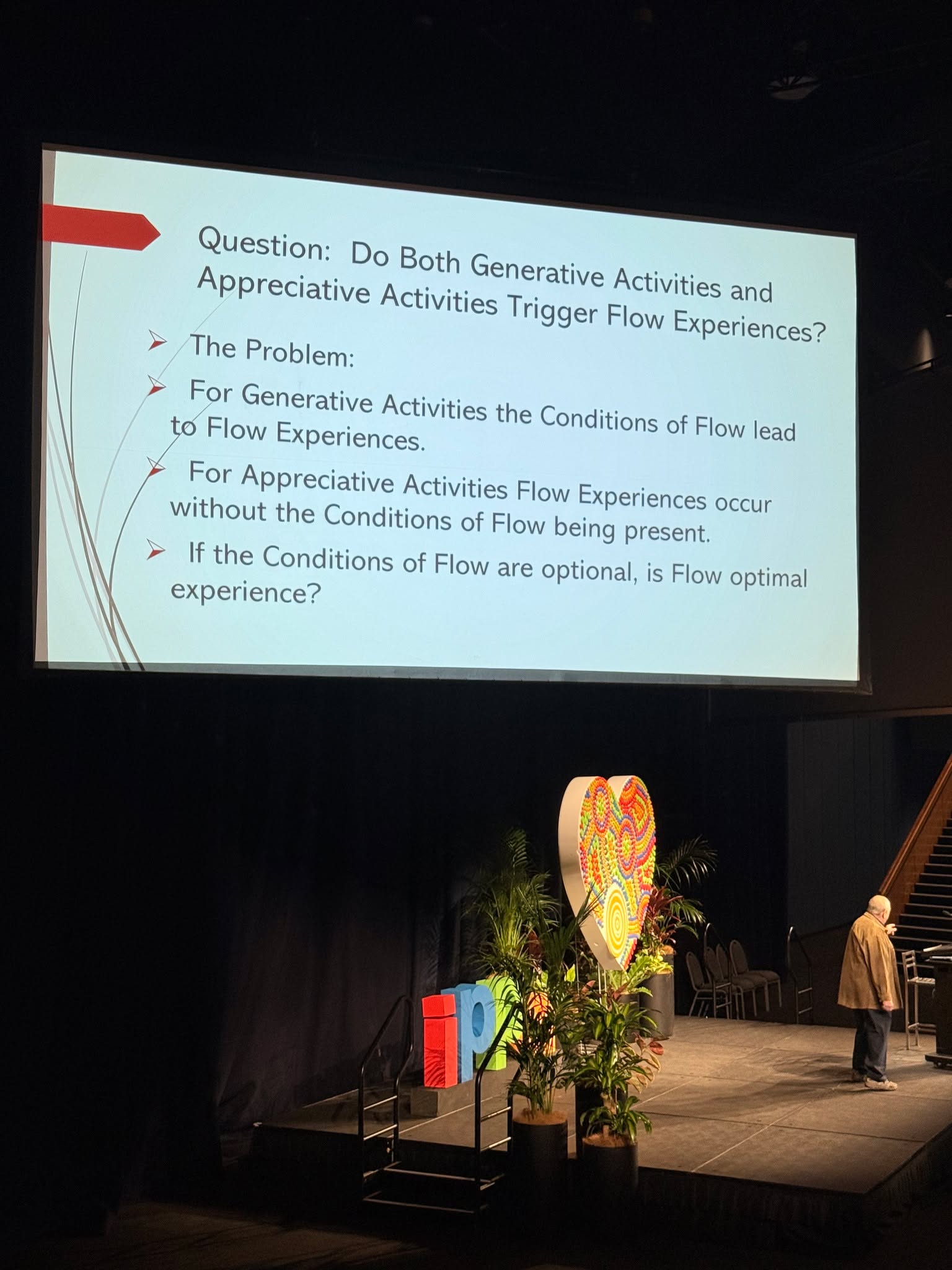
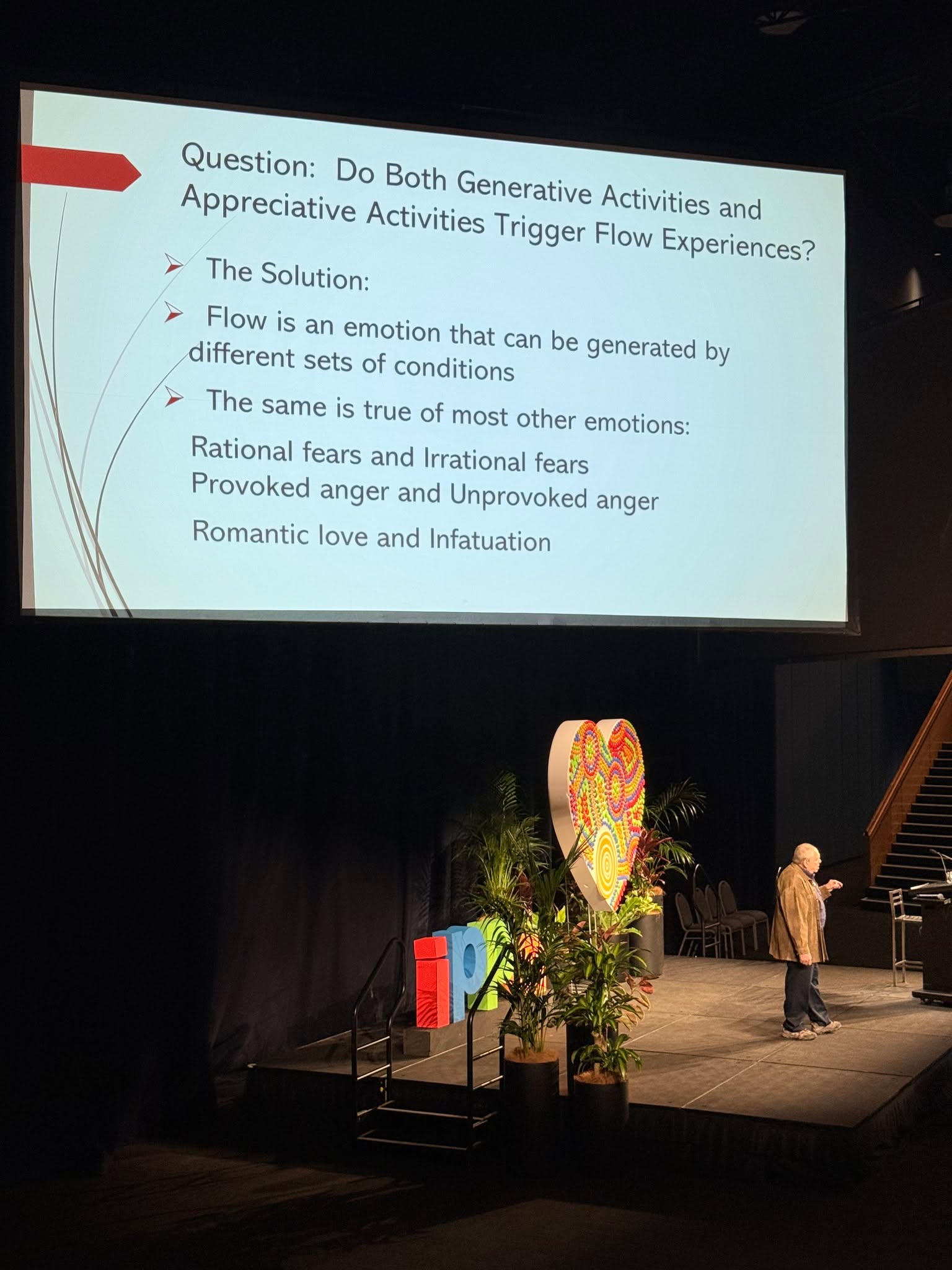
●どちらの動機づけがフローに入りますか?
①生成活動はフローにつながる。
②感謝の活動は、アブソーブ(吸収)につながる。フローにつながらない。
ーーー
Flow: Innovations for the Understanding of Intrinsic Motivation
Alan Waterman
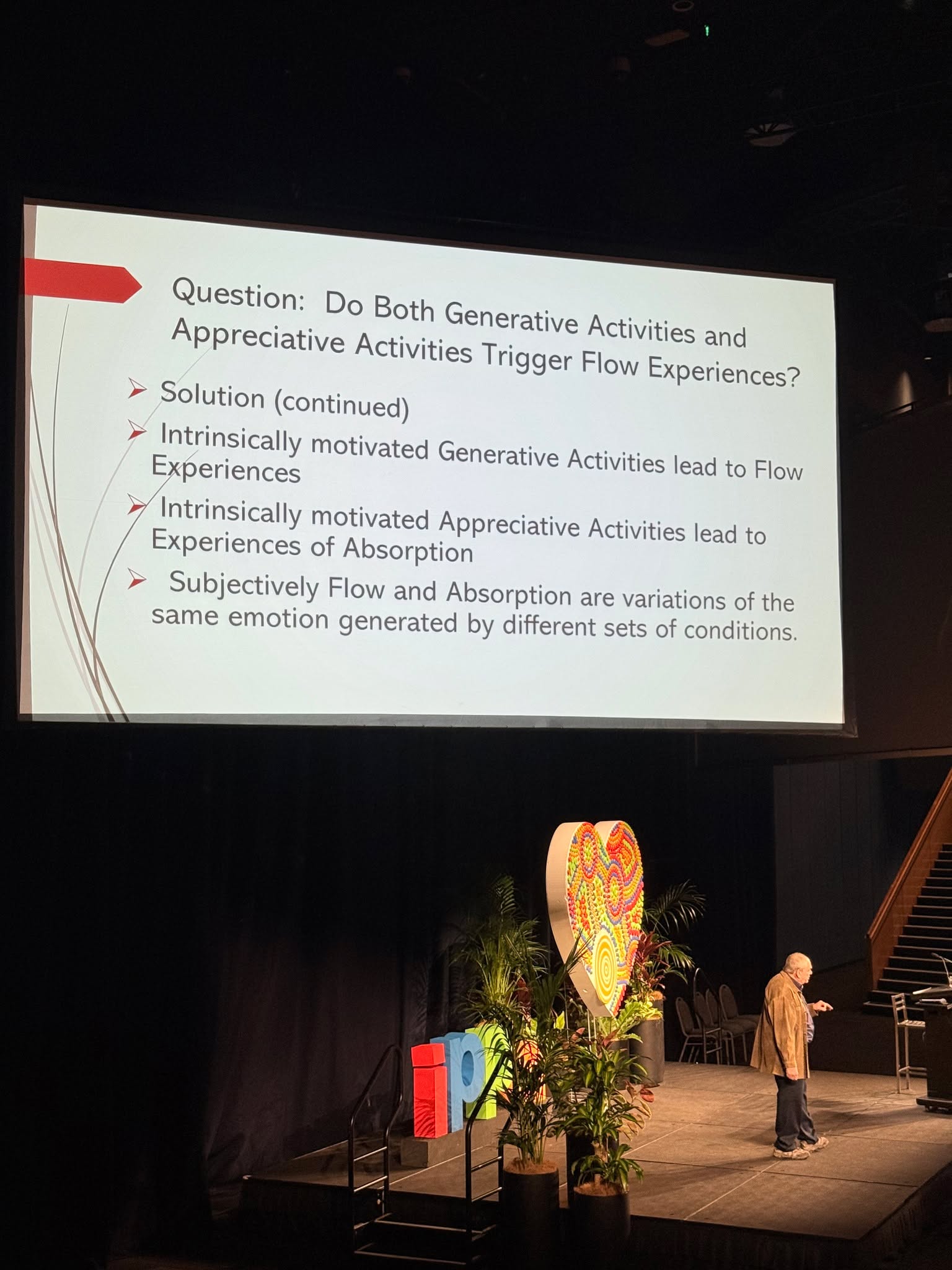
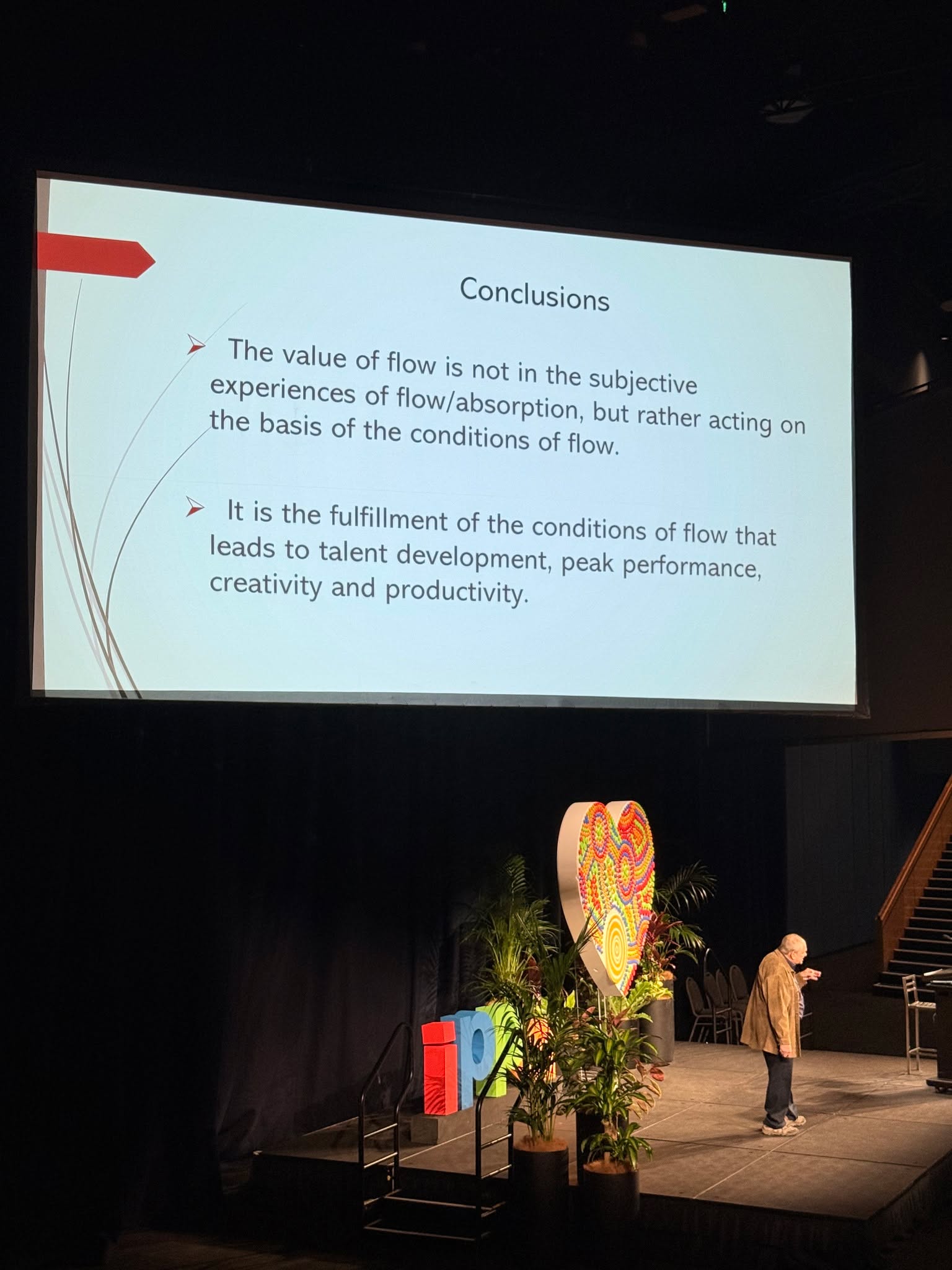
Keynote Flow: Innovations for the Understanding of Intrinsic Motivation Alan Waterman Flow: Innovations for the Understanding of Intrinsic Motivation Alan S. Waterman The College of New Jersey Some Basic Definitions ➢ Intrinsic Motivation: Conceptual Definition Activities engaged in primarily for the sake of doing the activity itself rather than any extrinsic benefits that may accompany them. ➢ Intrinsic Motivation: Operational Definition The activity generates the emotions of interest, flow, and enjoyment. There is activity continuation in the absence of extrinsic rewards. The Defining Characteristics of Flow (Csikszentmihalyi, 1990) A challenging activity that requires skill The merging of action and awareness Clear goals Immediate and unambiguous feedback Concentration on the task at hand The paradox of control (feelings of effortlessness) The loss of self-consciousness The transformation of time An autotelic experience The Conditions of Flow and Experiences of Flow (Nakamura & Csikszentmihalyi, 2002) The Conditions of Flow ▶ A challenging activity that requires skill ▶ Clear Goals ▶ Immediate and unambiguous feedback The Experiences of Flow ▶ The merging of action and awareness ▶ Concentration ▶ Feelings of effortlessness ▶ Loss of self-consciousness ▶ The transformation of time ▶ An autotelic experience Distinguishing the Conditions of Flow from the Subjective Experiences of Flow Timing: The conditions of flow occur before the experiences. They cause the experiences to happen. Volition: The conditions of flow are a matter of choices we make. We do not choose what we experience. Conscious Decision-Making: The conditions of flow involve conscious decision making. Subjective experiences happen. Contribution to the Quality of Performance: The conditions of flow contribute directly to performance quality. The experiences of flow do not. The Conditions of Flow and Experiences of Flow (Waterman, 2025) The Conditions of Flow ➤ A demanding (challenging) activity that requires skill ➤ Clear goals ➤ Feedback that is informative about performance quality ➤ Engaged performance, including concentration, care, and full use of skills The Experiences of Flow ➤ The merging of action and awareness ➤ Feelings of effortlessness ➤ Loss of self-consciousness ➤ The transformation of time ➤ An autotelic experience Why Is Flow Optimal Experience? In the Evolving Self, Csikszentmihalyi (1993) identified the consequences of flow as the following: ➢ Talent development ➢ Peak performance ➢ Creativity ➢ Productivity ➢ Self-esteem ➢ Stress reduction Two Categories of Intrinsically Motivated Activities Category 1: Things you do in which you make Happen: Work, Creative endeavors, Hobbies, Relationships. (Generative Activities) Category 2: Things you do in which you appreciate the efforts of others: Watching sports, Attending plays or concerts, Going to museums or galleries, Reading a novel (Appreciative Activities) Question: Do Both Generative Activities and Appreciative Act
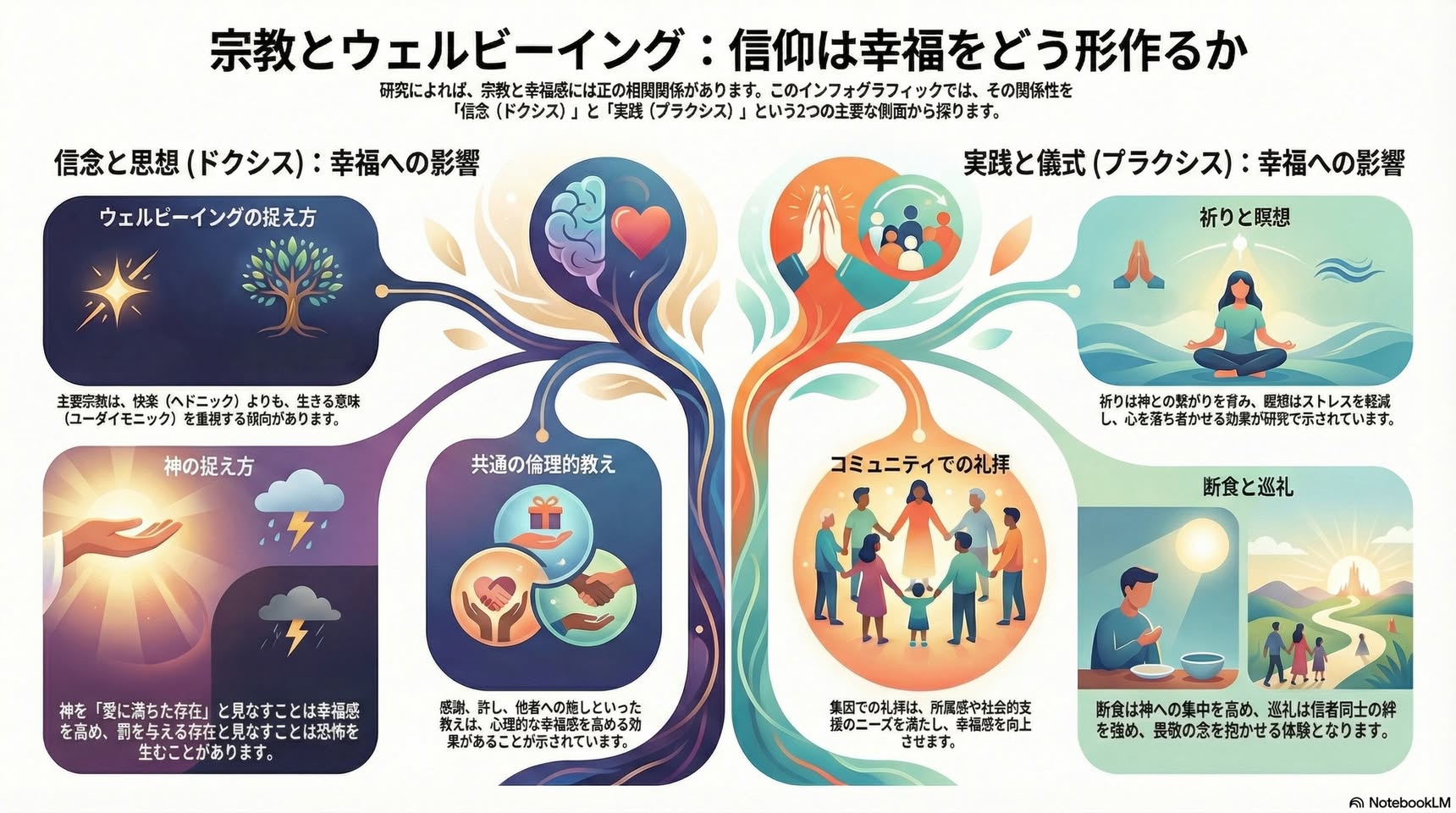
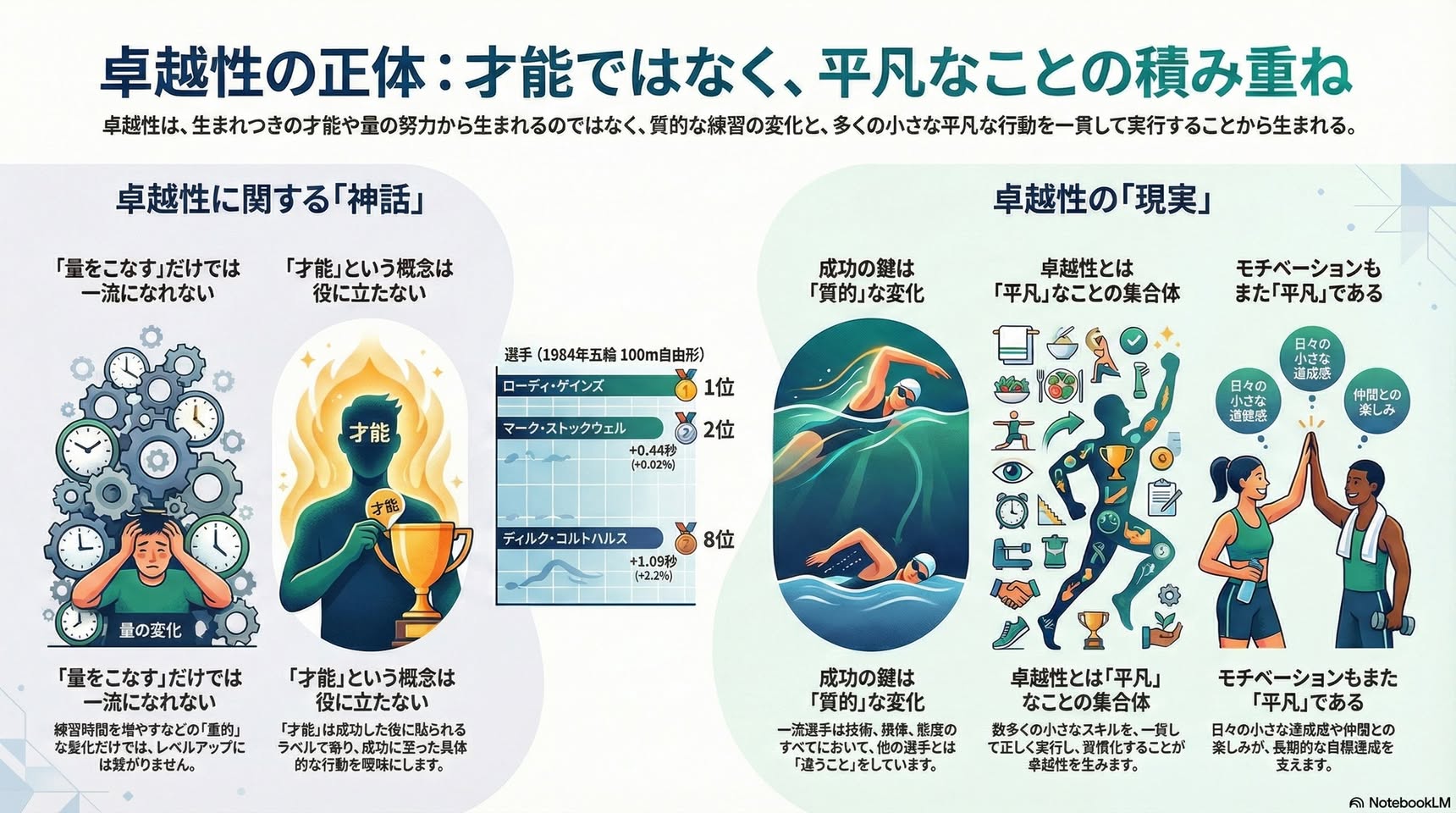
Alan Waterman先生の研究整理 by AI
Alan Waterman(アラン・ウォーターマン)先生は、アイデンティティ形成と**自己実現(eudaimonic well-being)**を中心としたポジティブ心理学の研究者です。特に、「本来的な自己(the true self)」や「自分らしさ(personal expressiveness)」を基盤とする幸福の追求に関する概念的・実証的研究で知られています。
https://chatgpt.com/share/686778ff-e958-800b-a0ce-36d6f90fdabb