2025.07.04
ポジティブ心理学の科学と実践は結びつくのか?
by リンゼイ・オアデス先生ら
【IPPA2025 3日目】
ー
幸福度を高める方法は山ほど科学されている。が、日本全体の幸福度がなかなか上げられていないので、このセッションに参加してみました。
ー
実践と結び付ける上での障壁は↓あたり。
①文化的な問題
アメリカでは強みが大事、マオリでは祖先から引き継いだ強みが大事。など
②アメリカの大学生問題
心理学の研究の多くは、対象がアメリカの大学生
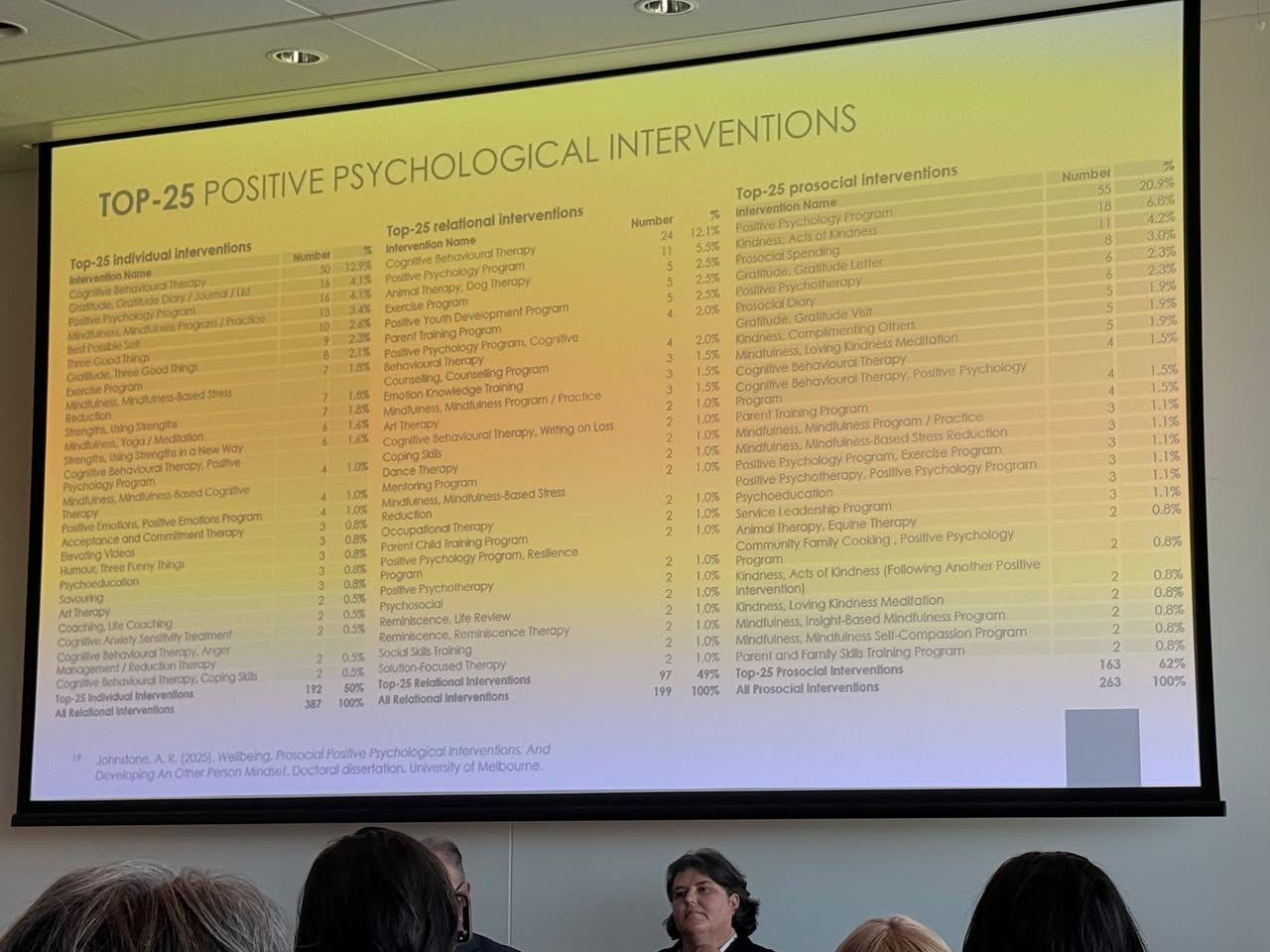
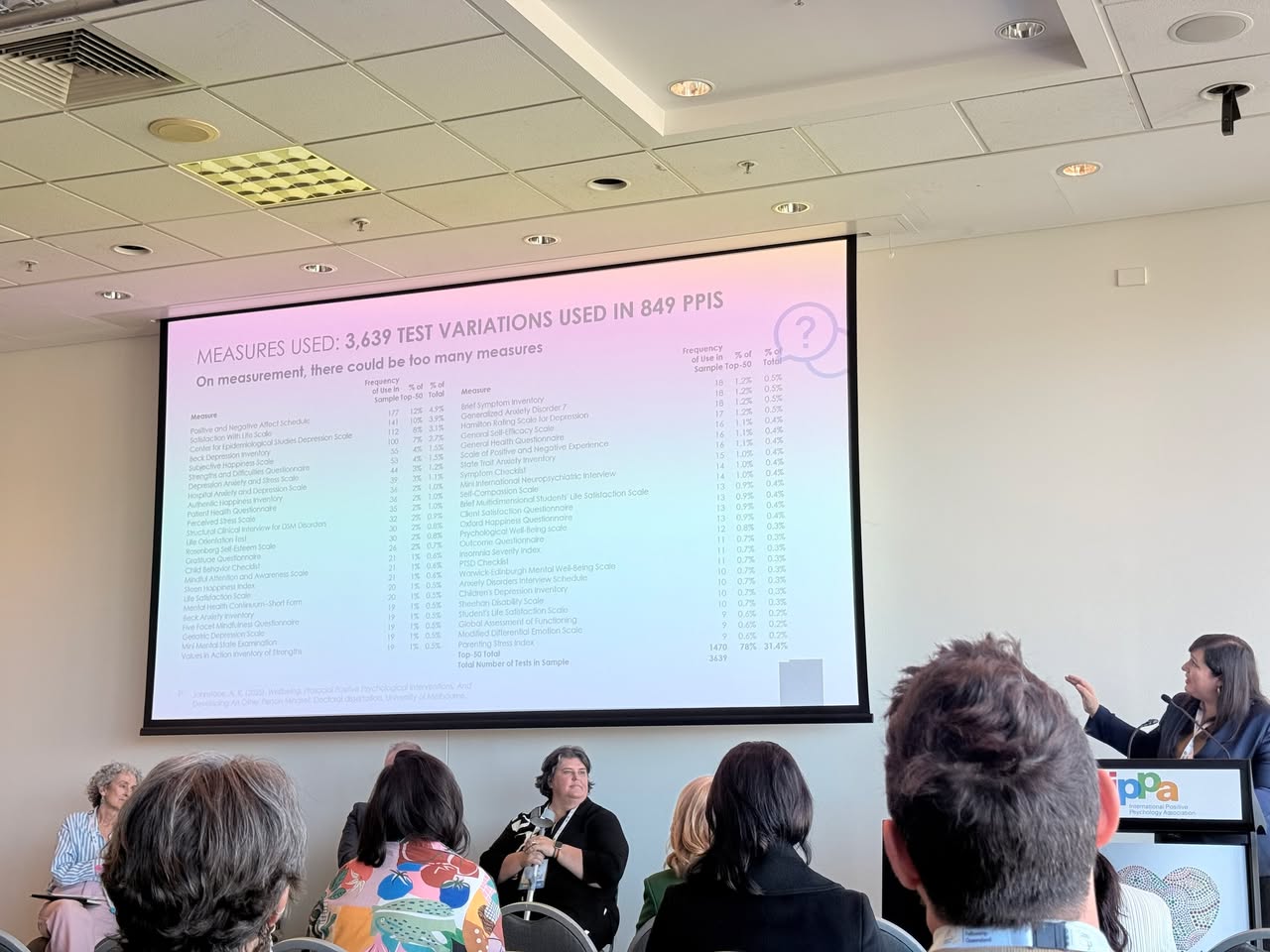
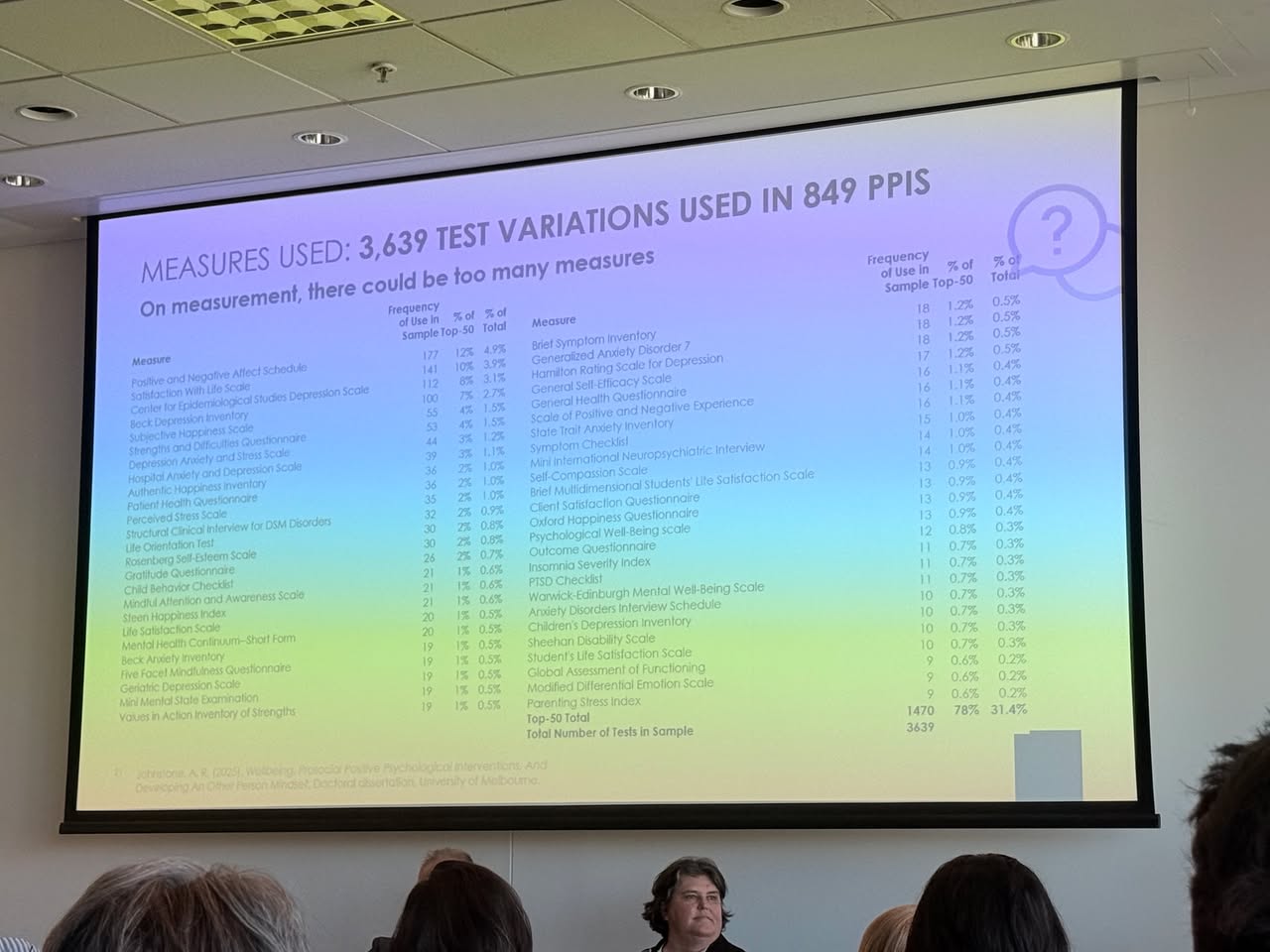
③そもそも向上を測る効果測定ツールがバラバラ
④個人の対応だけじゃなく、組織や仕組みでの対応が必要
ーーー
なので、↓を強化する必要があるよ。
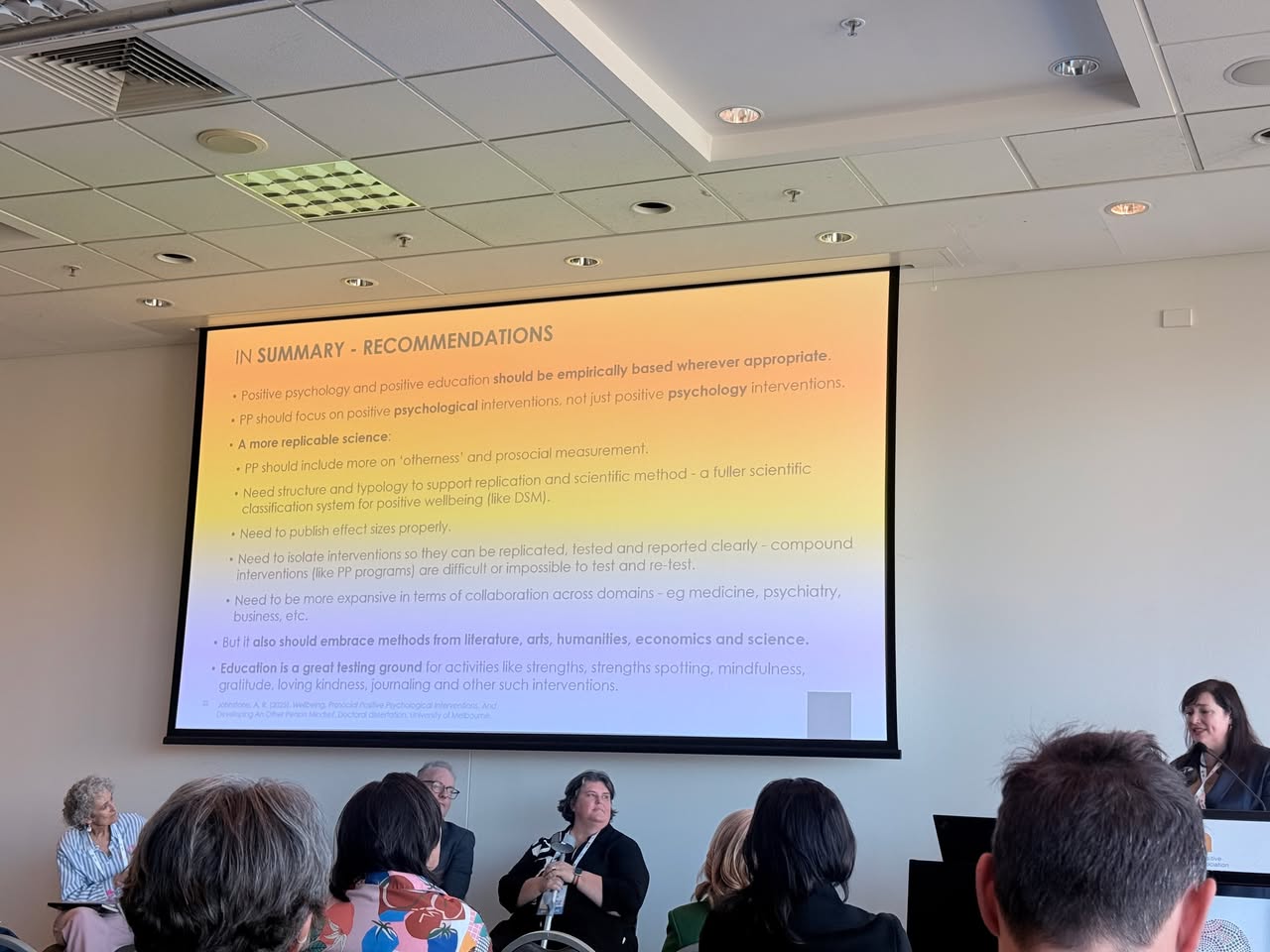
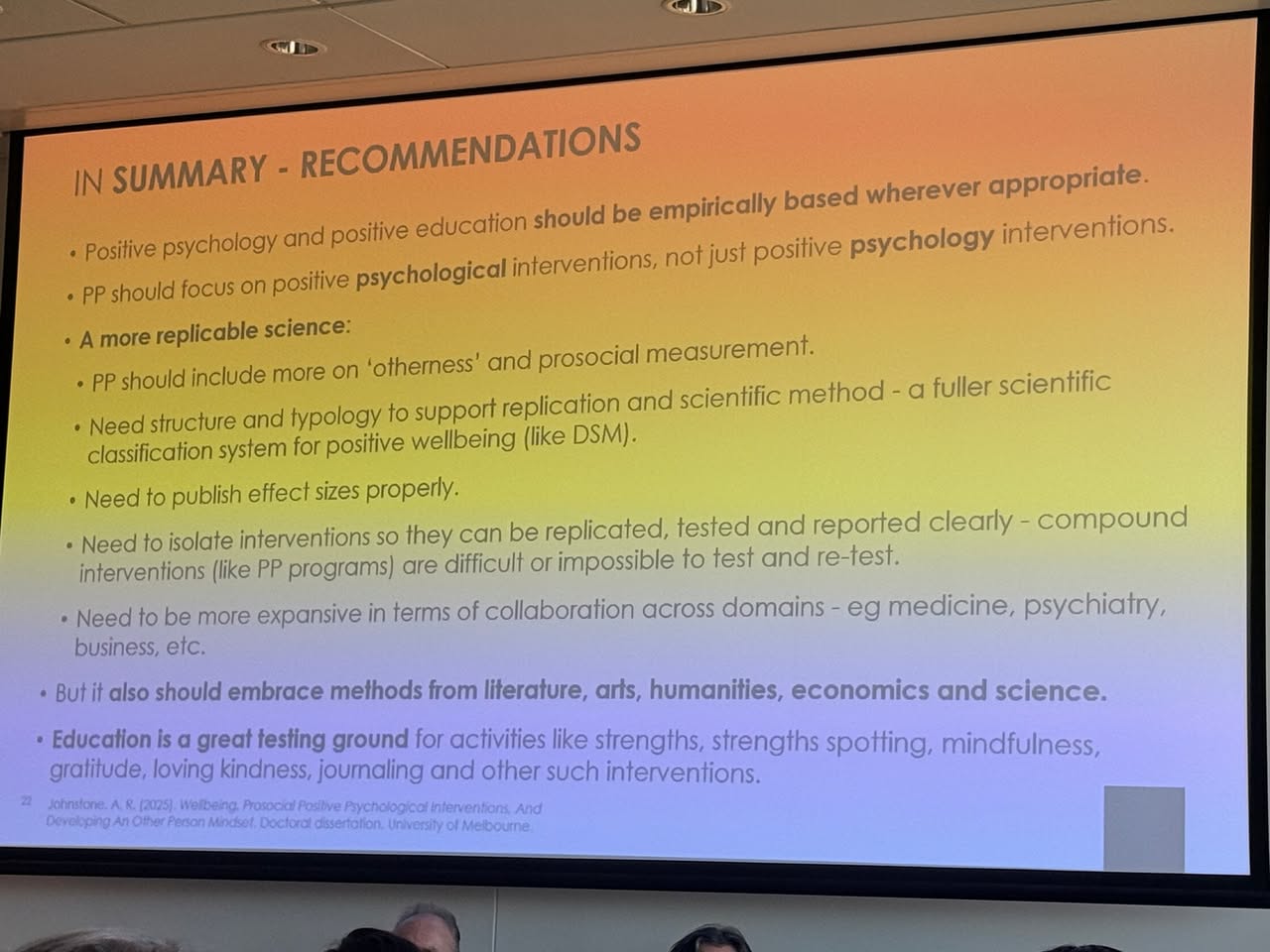
1. 科学的基盤の改善
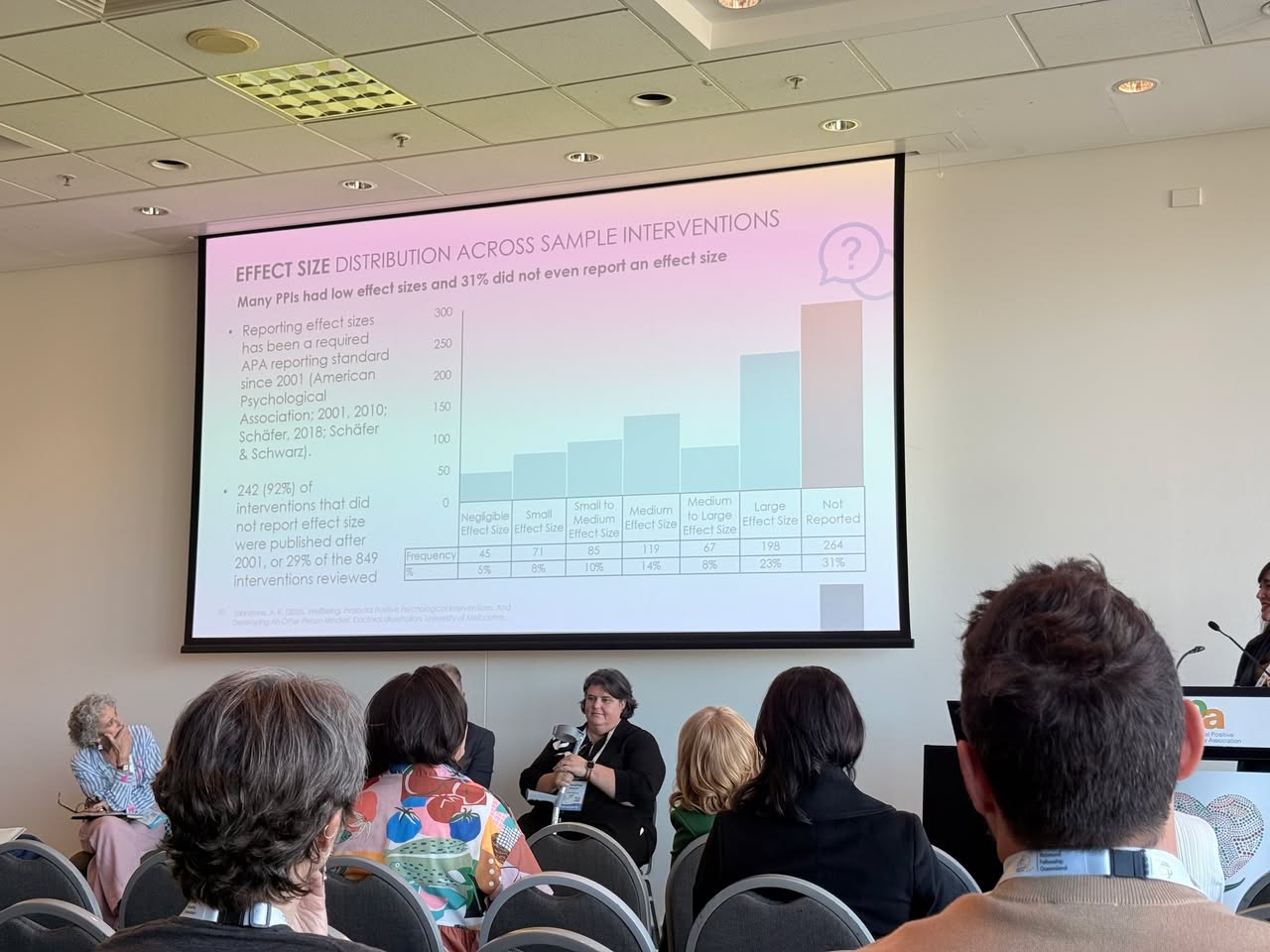
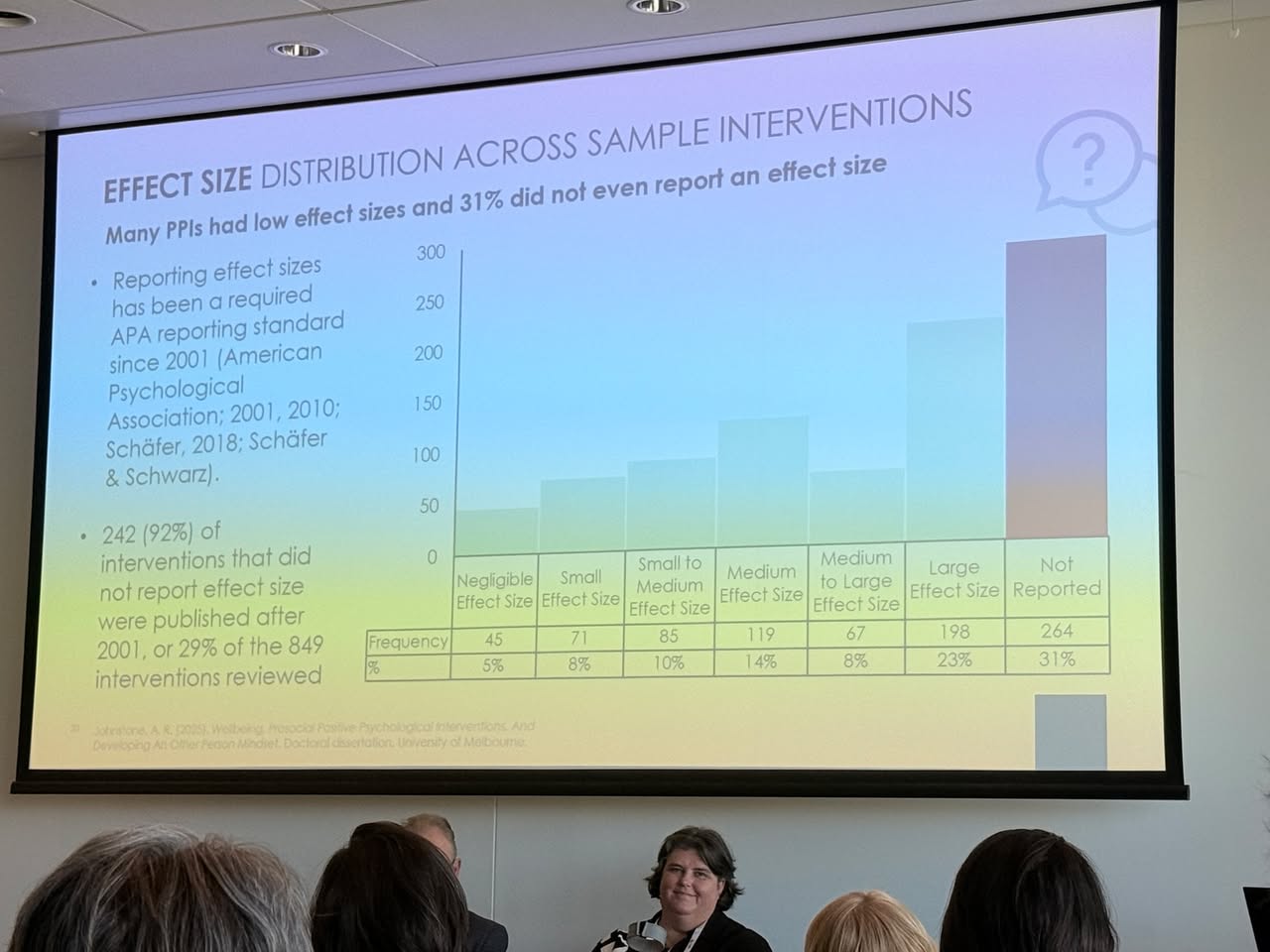
効果量の体系的報告
測定ツールの標準化
より厳密な研究方法の採用
2. 多様性と包括性の拡大
文化的適応を考慮した介入
疎外されたグループへの配慮
地域に根ざしたアプローチ
3. 学際的協力の推進
社会学、人類学、経済学との連携
先住民の知識体系の取り入れ
芸術や人文科学からの学び
4. システム的視点の導入
個人だけでなく構造的問題への対処
社会経済システムの課題認識
他者志向的(prosocial)介入の重視
ーーー
12:00 - 13:00
P2
ポジティブ心理学における科学と実践の結びつきは、社会的に合意されたレトリックに過ぎないのか?
リンゼイ・オアデス
Is the science-practice nexus just socially agreed rhetoric in positive psychology?
Lindsay Oades
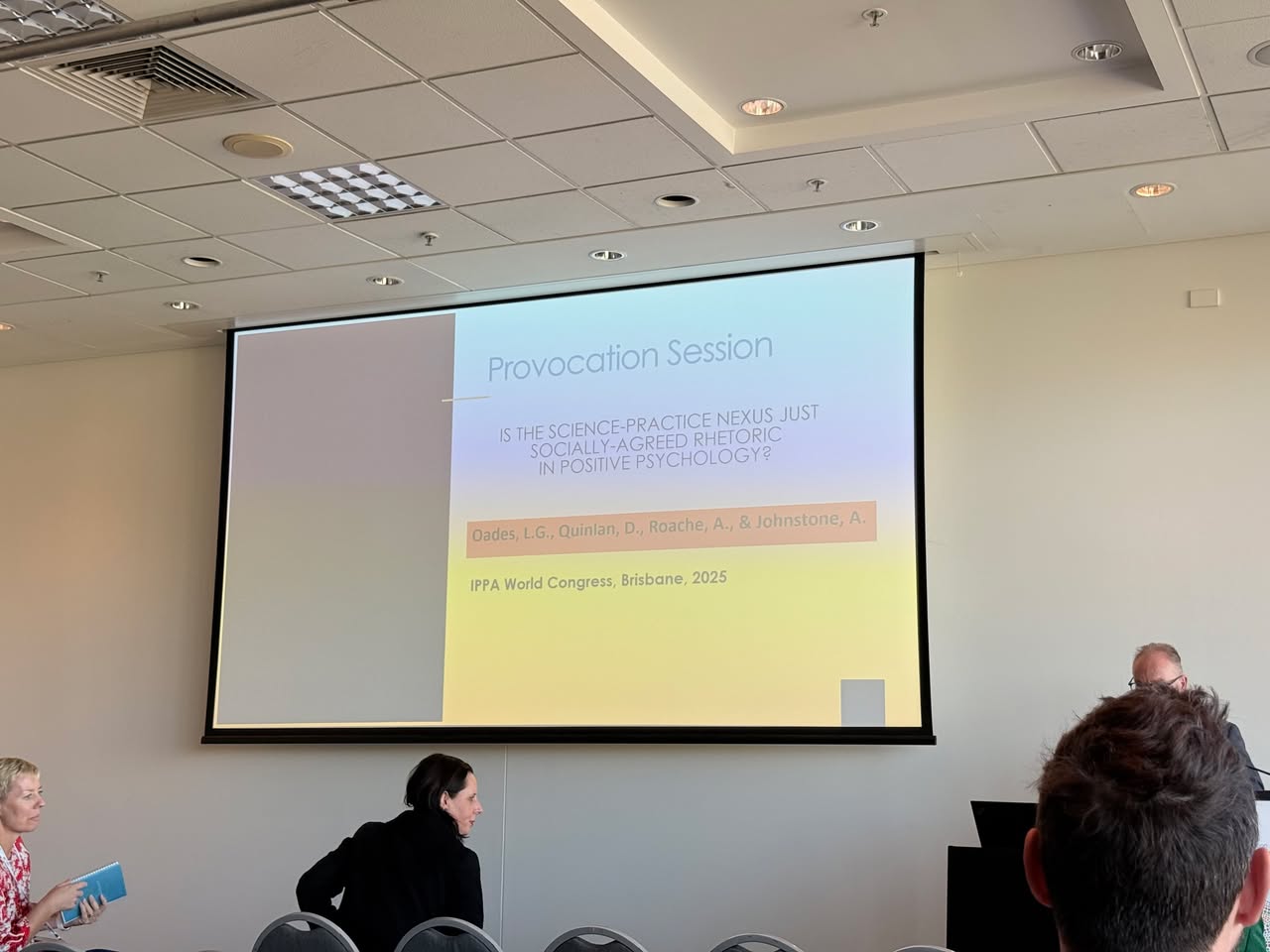
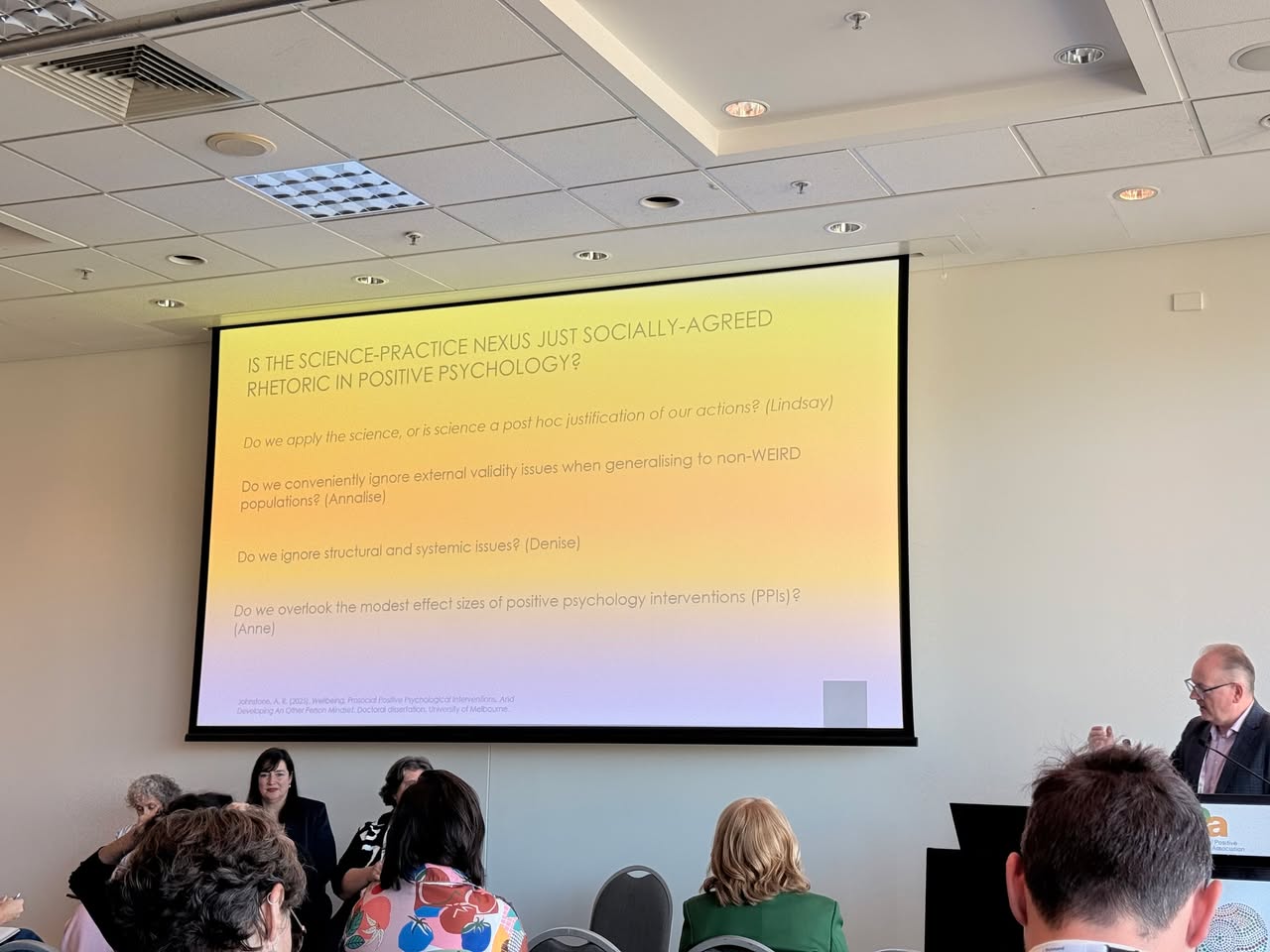
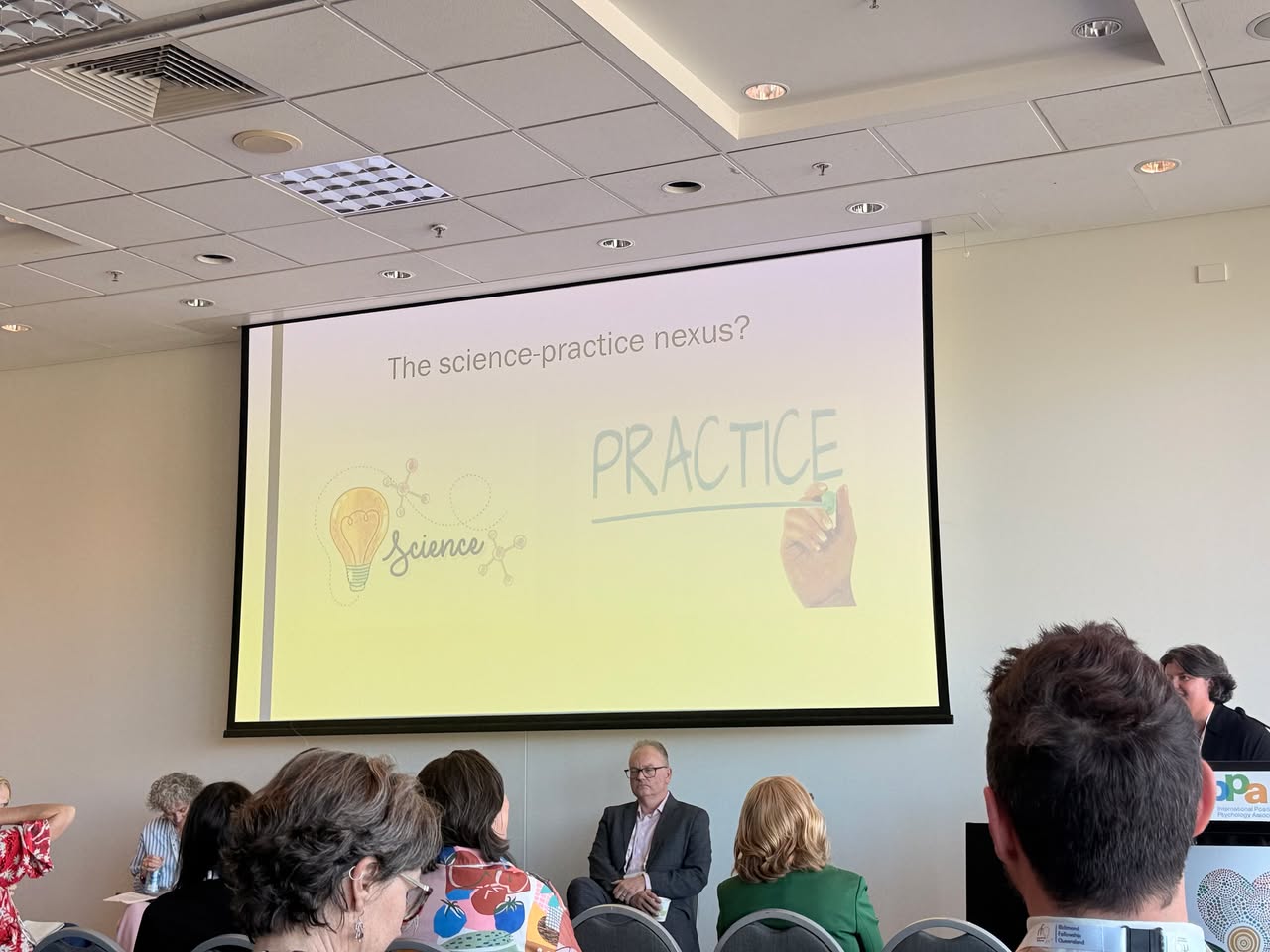
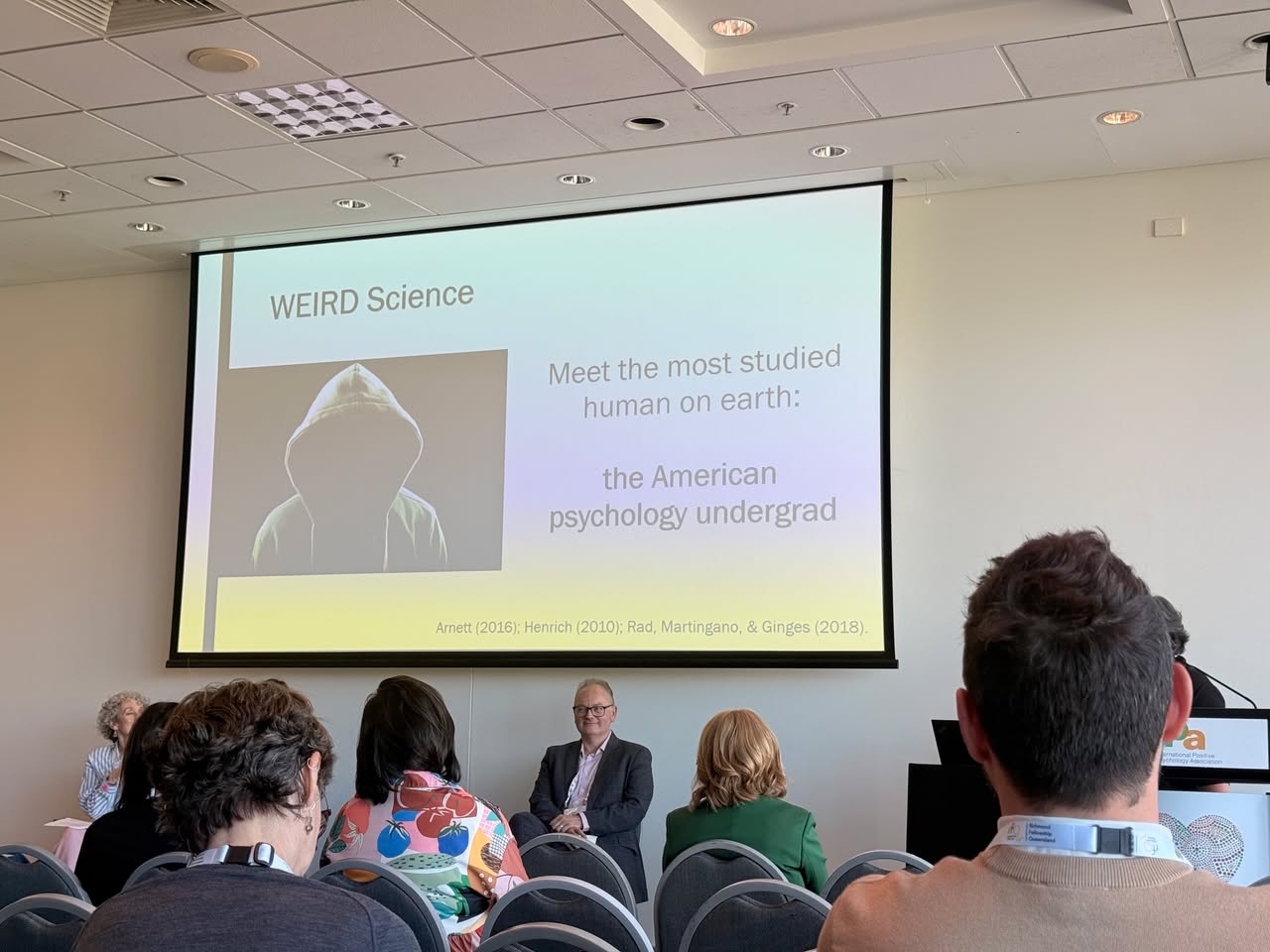
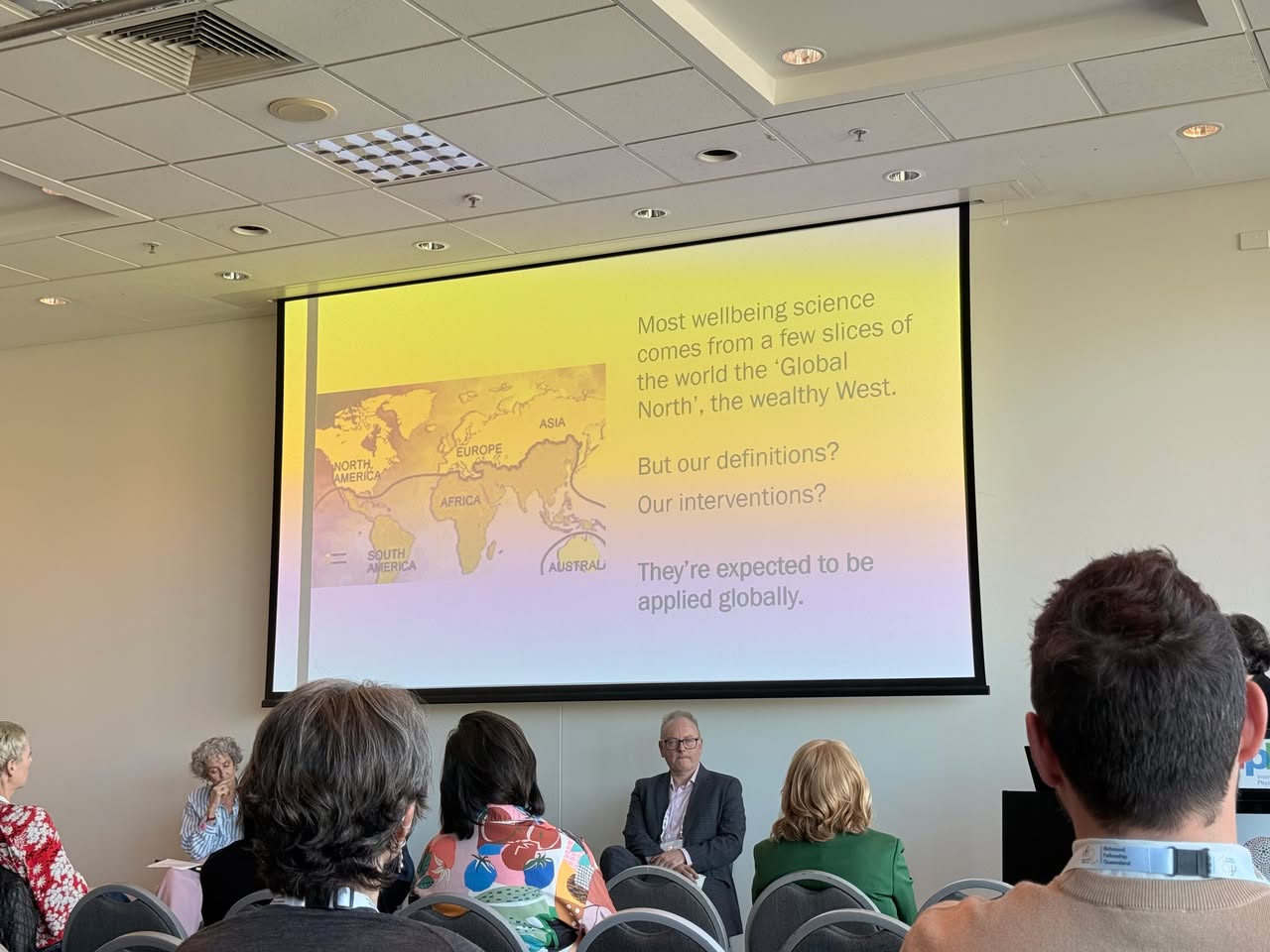
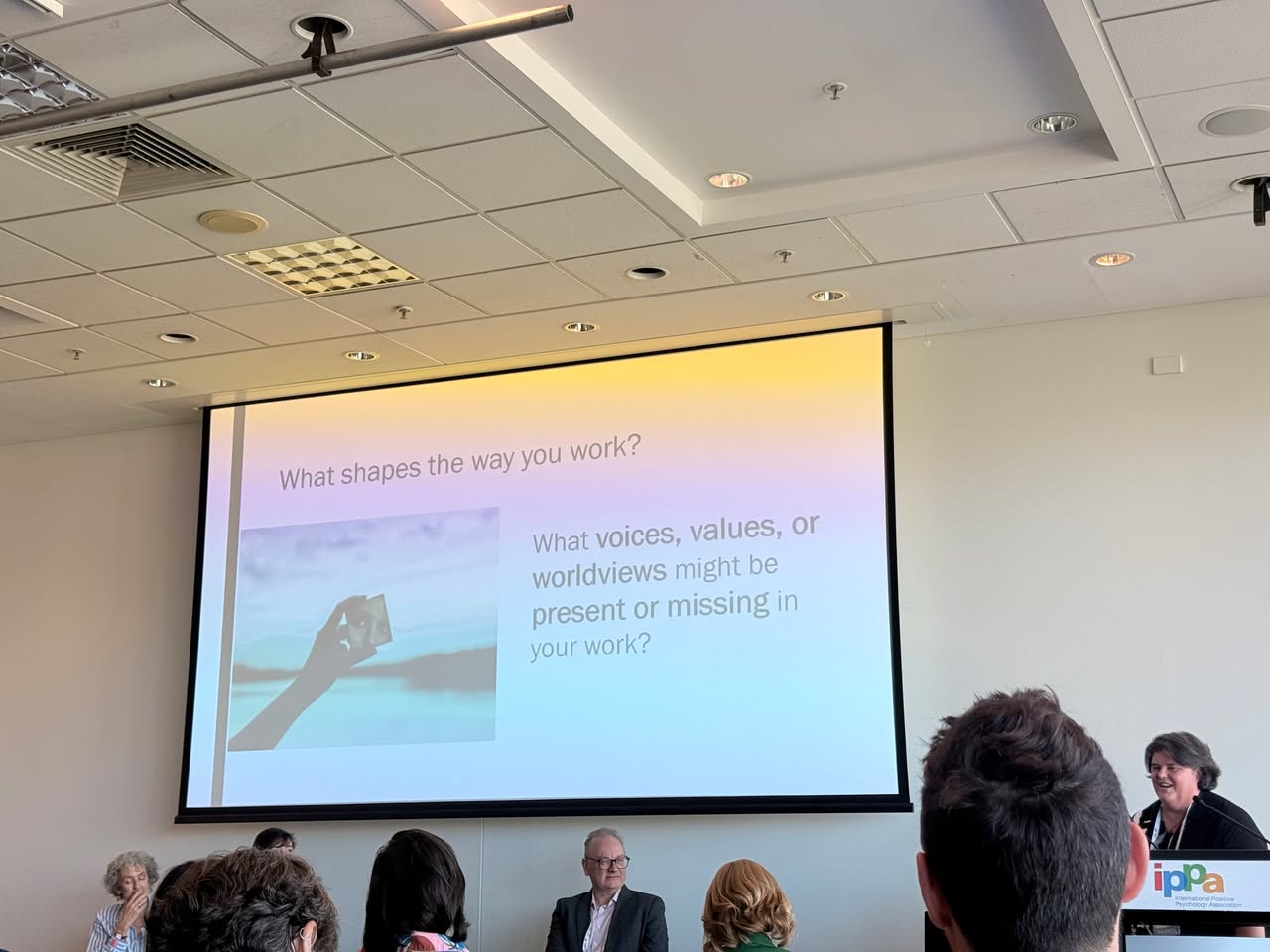
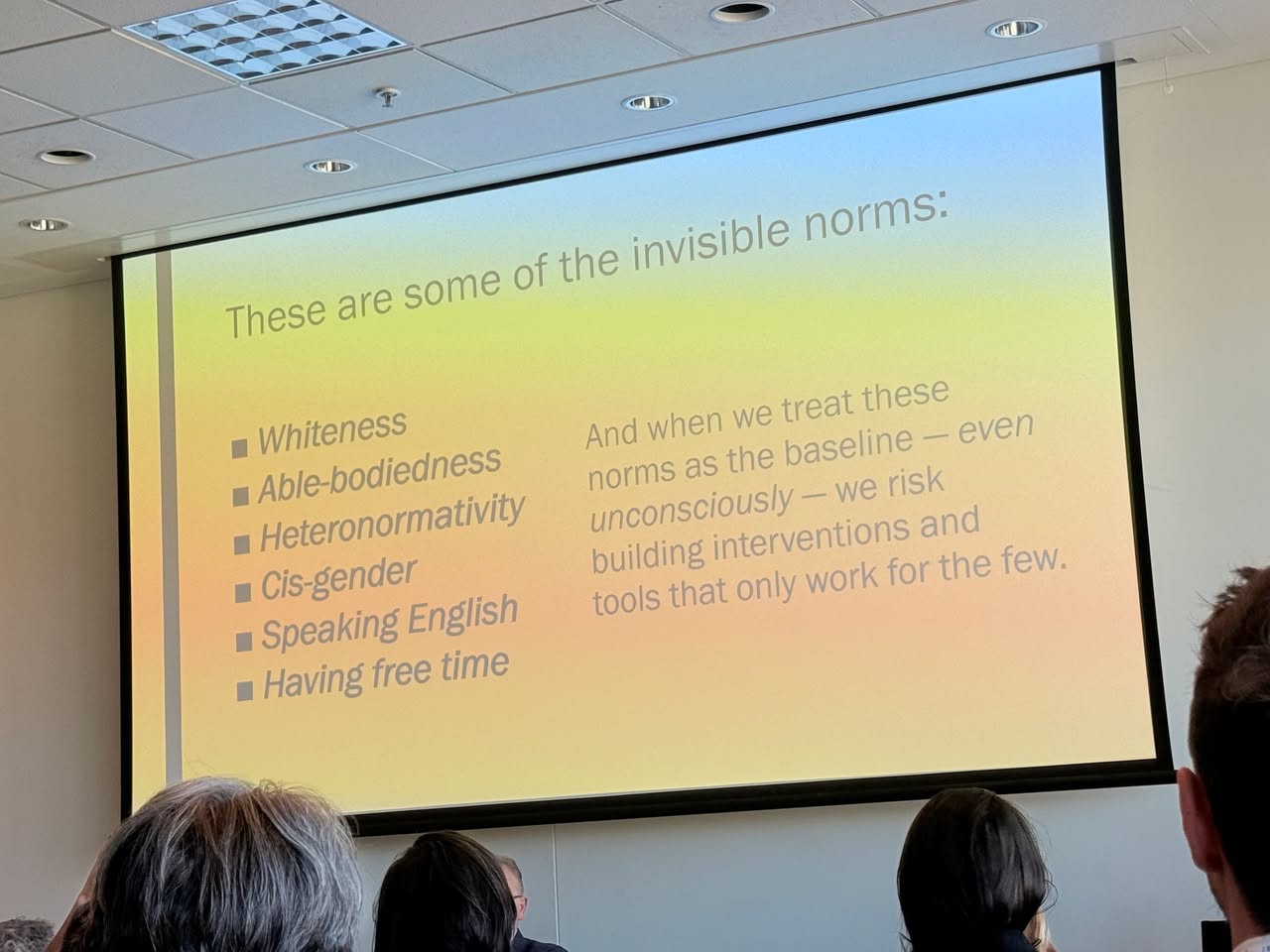
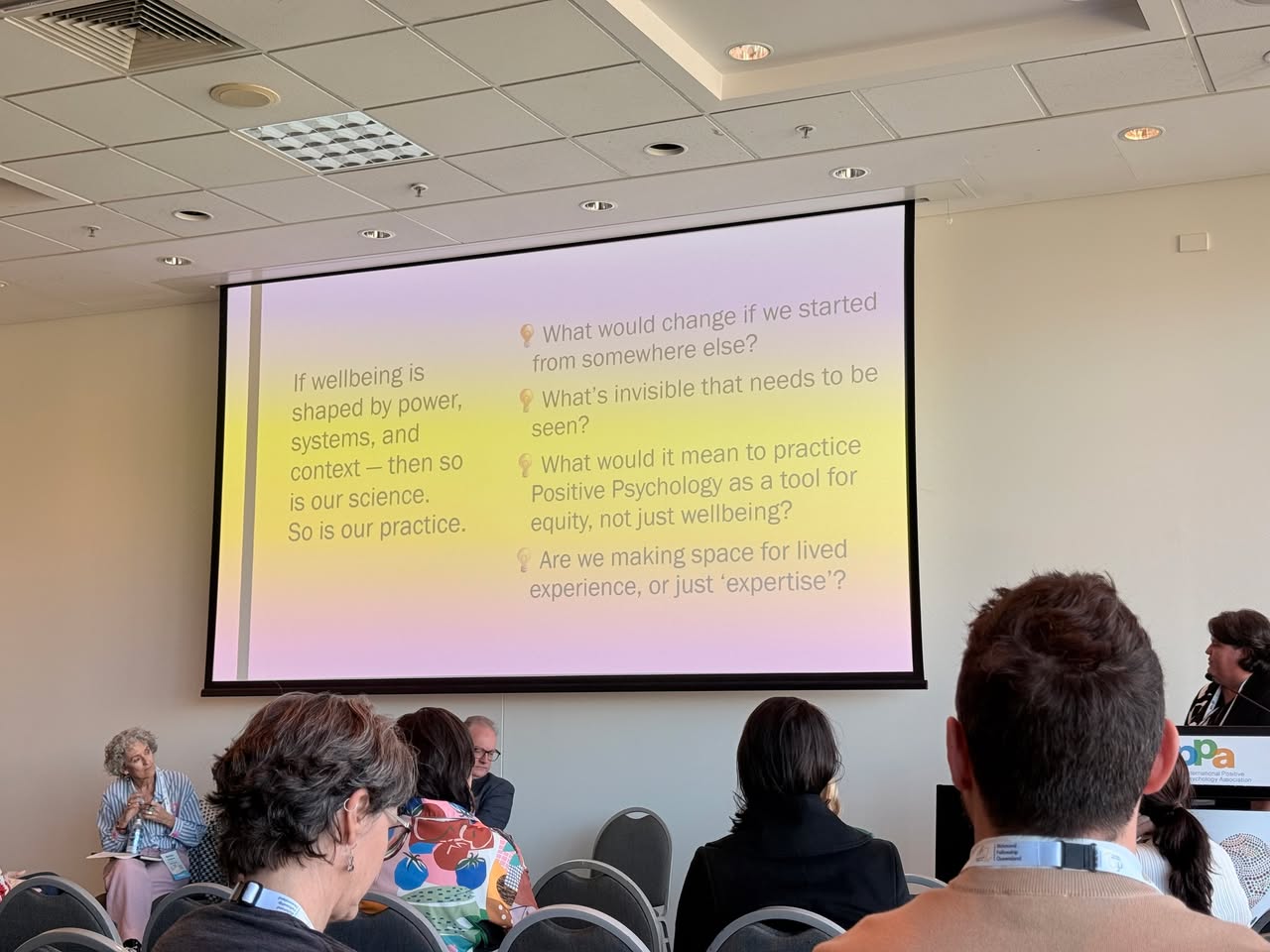
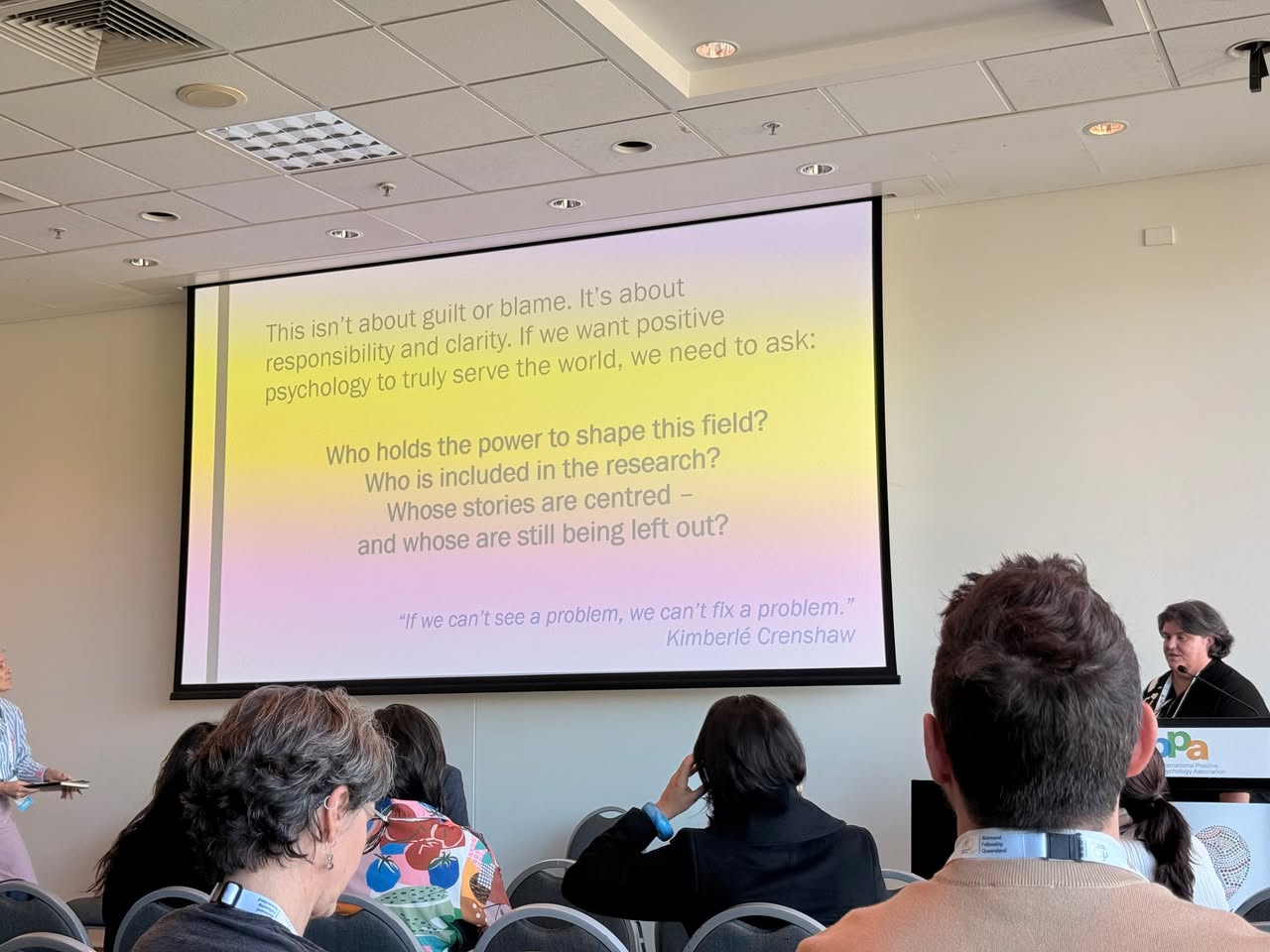
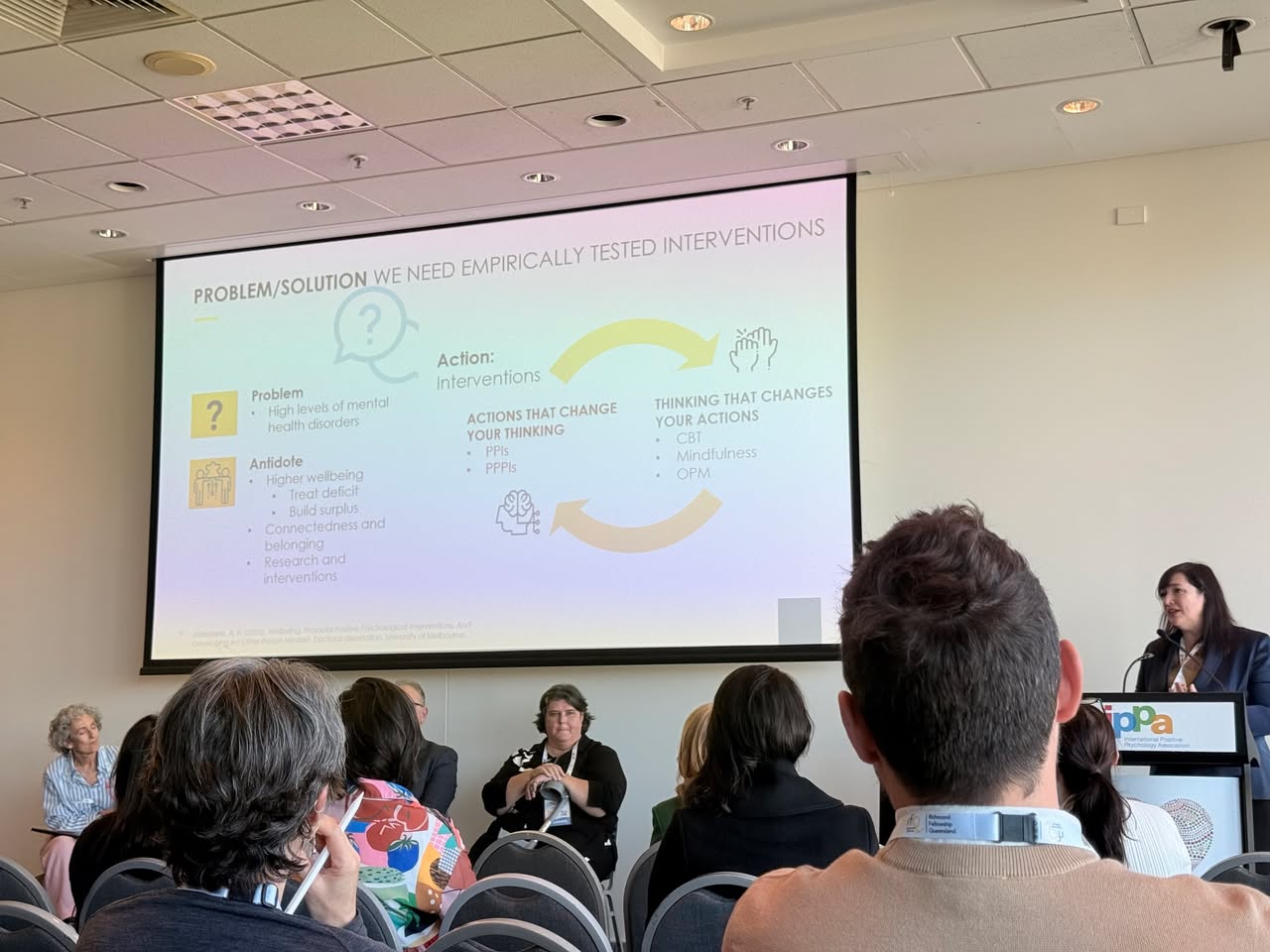
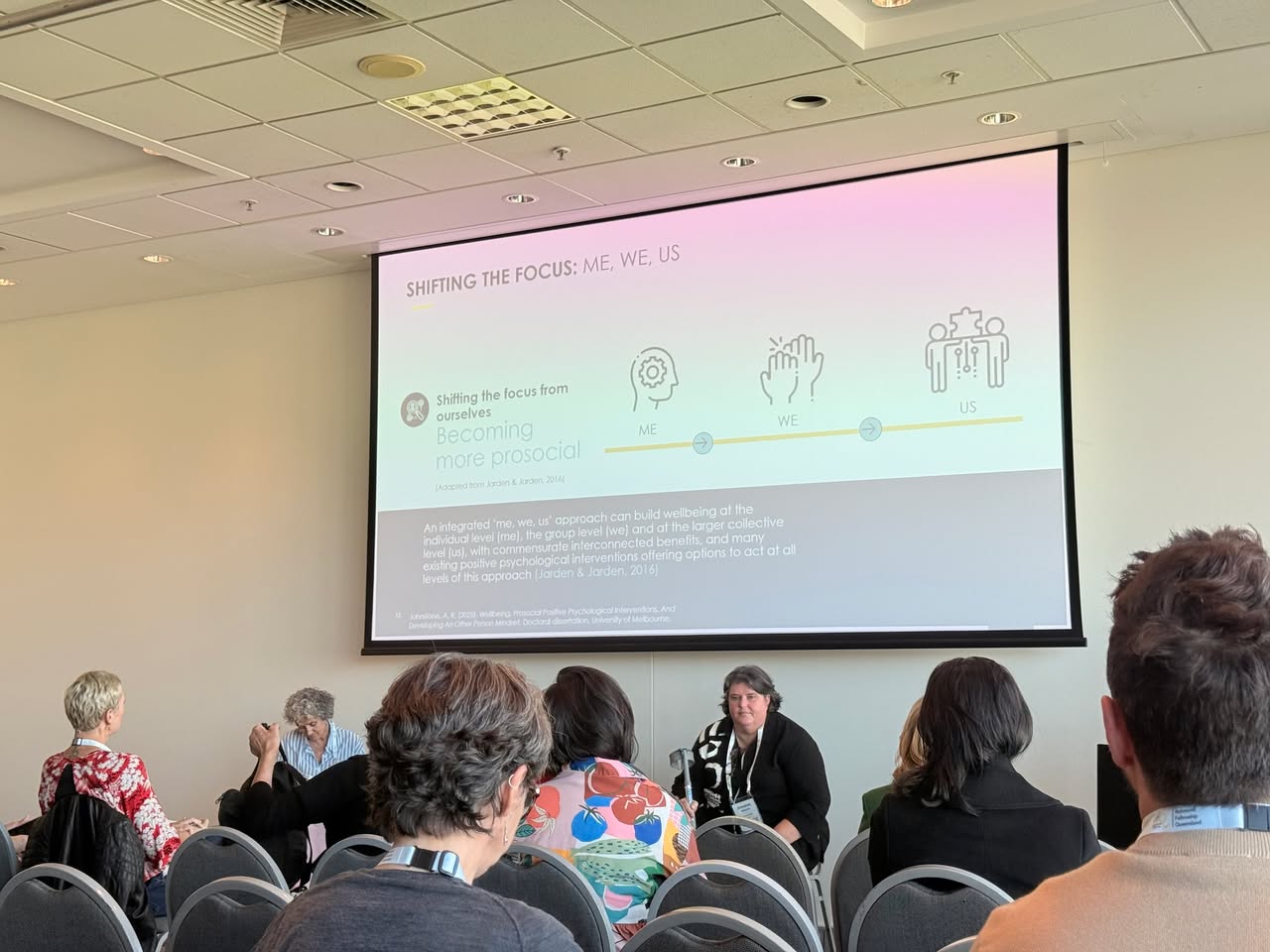
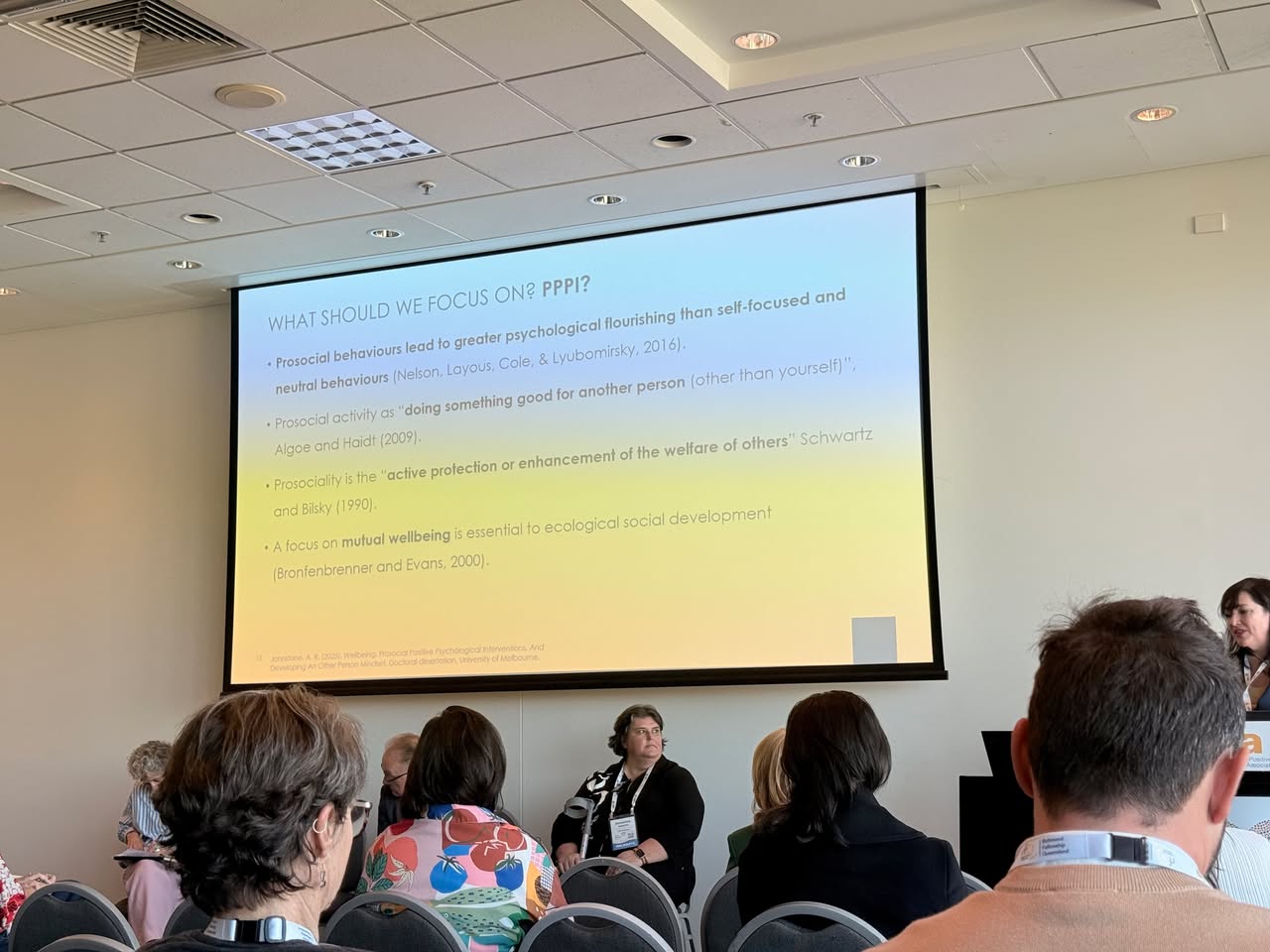
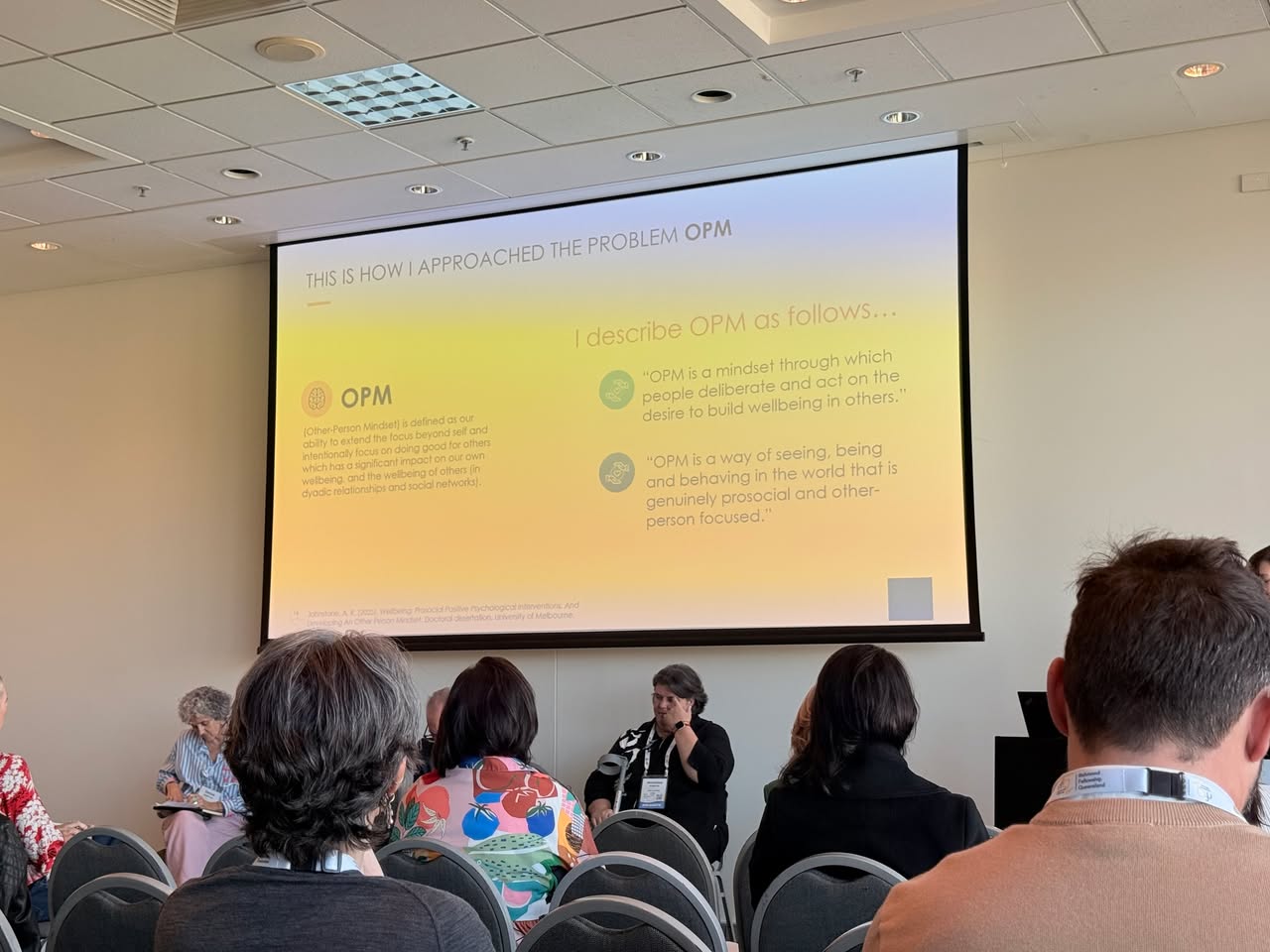
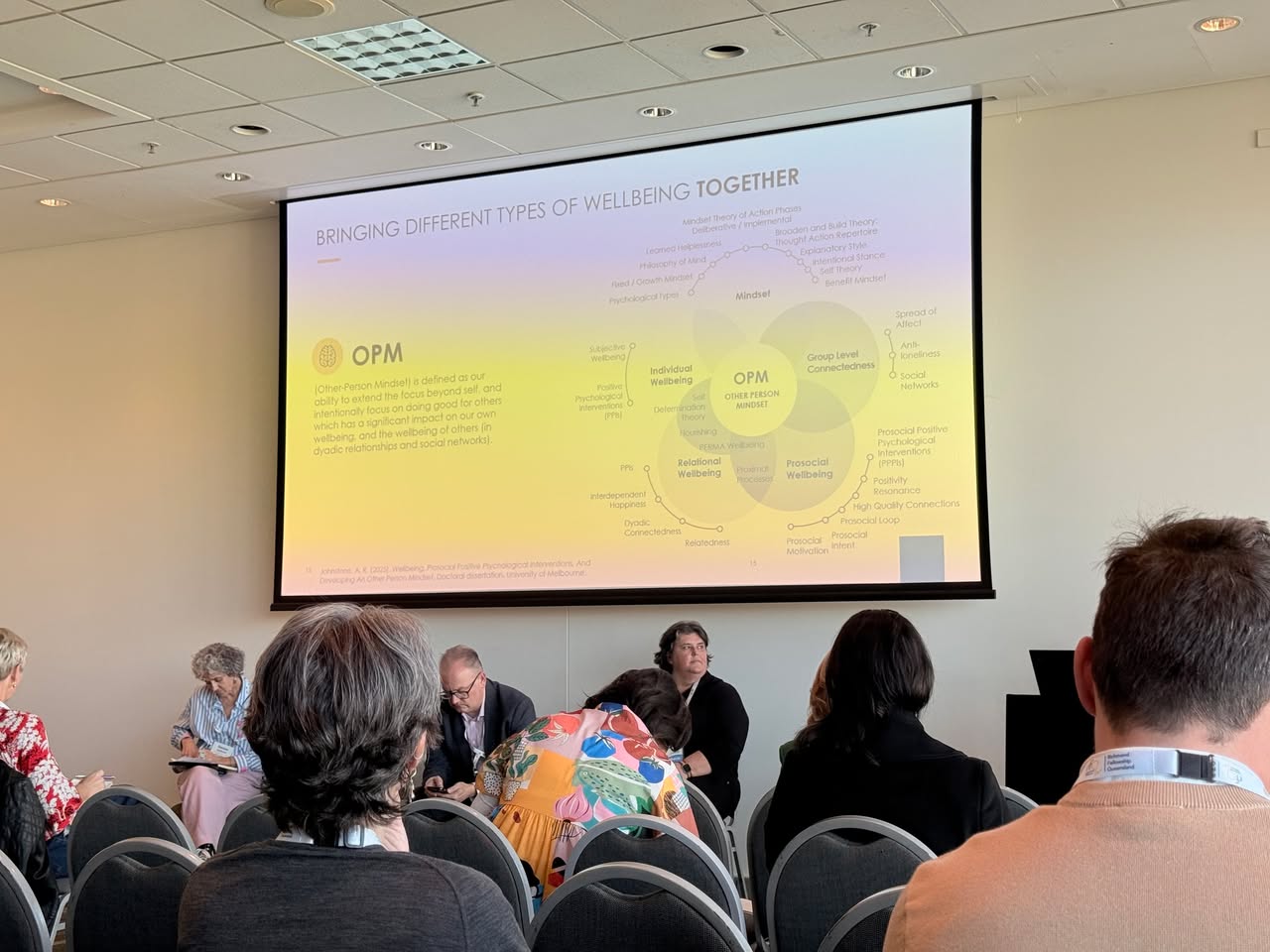
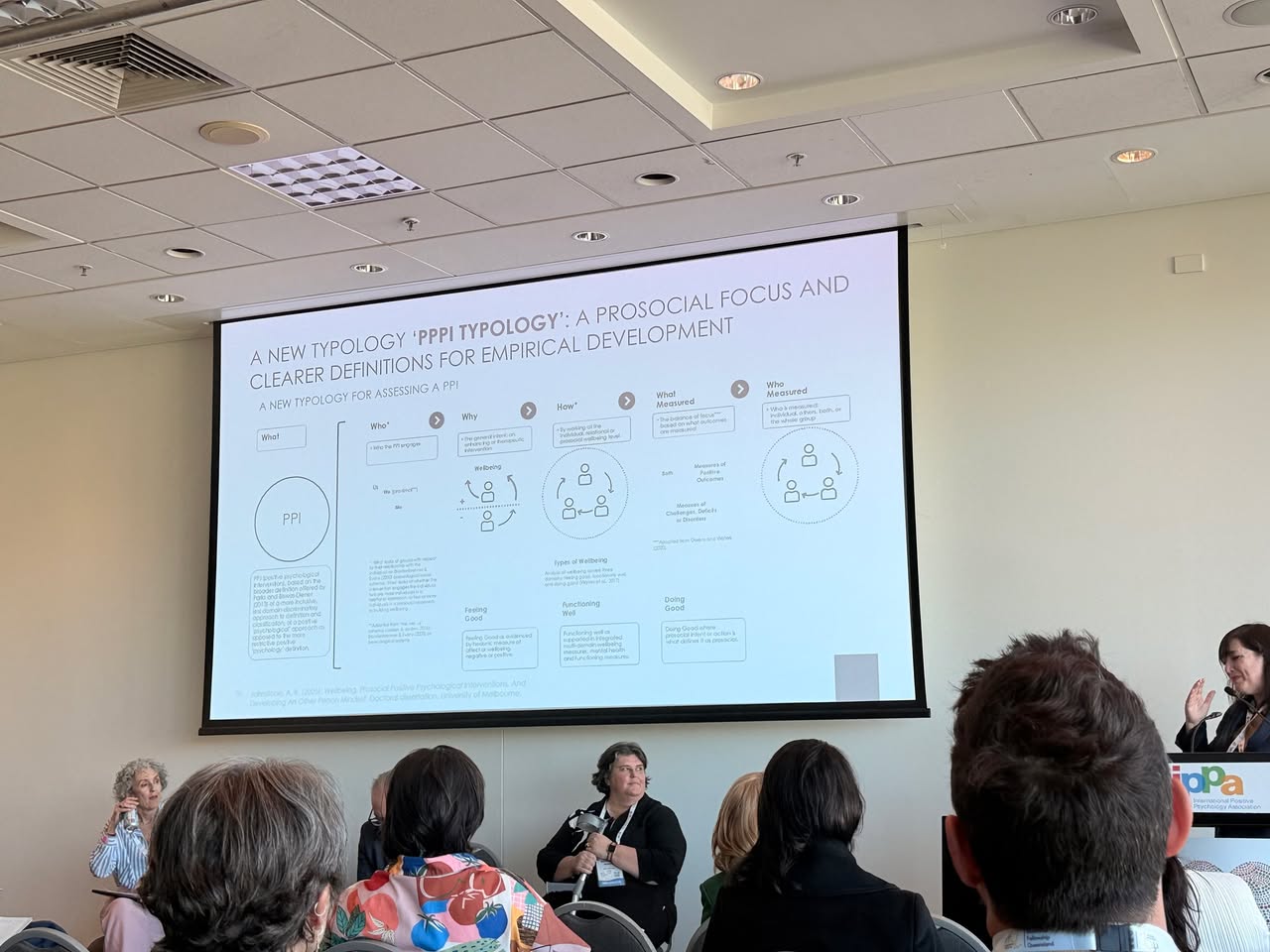
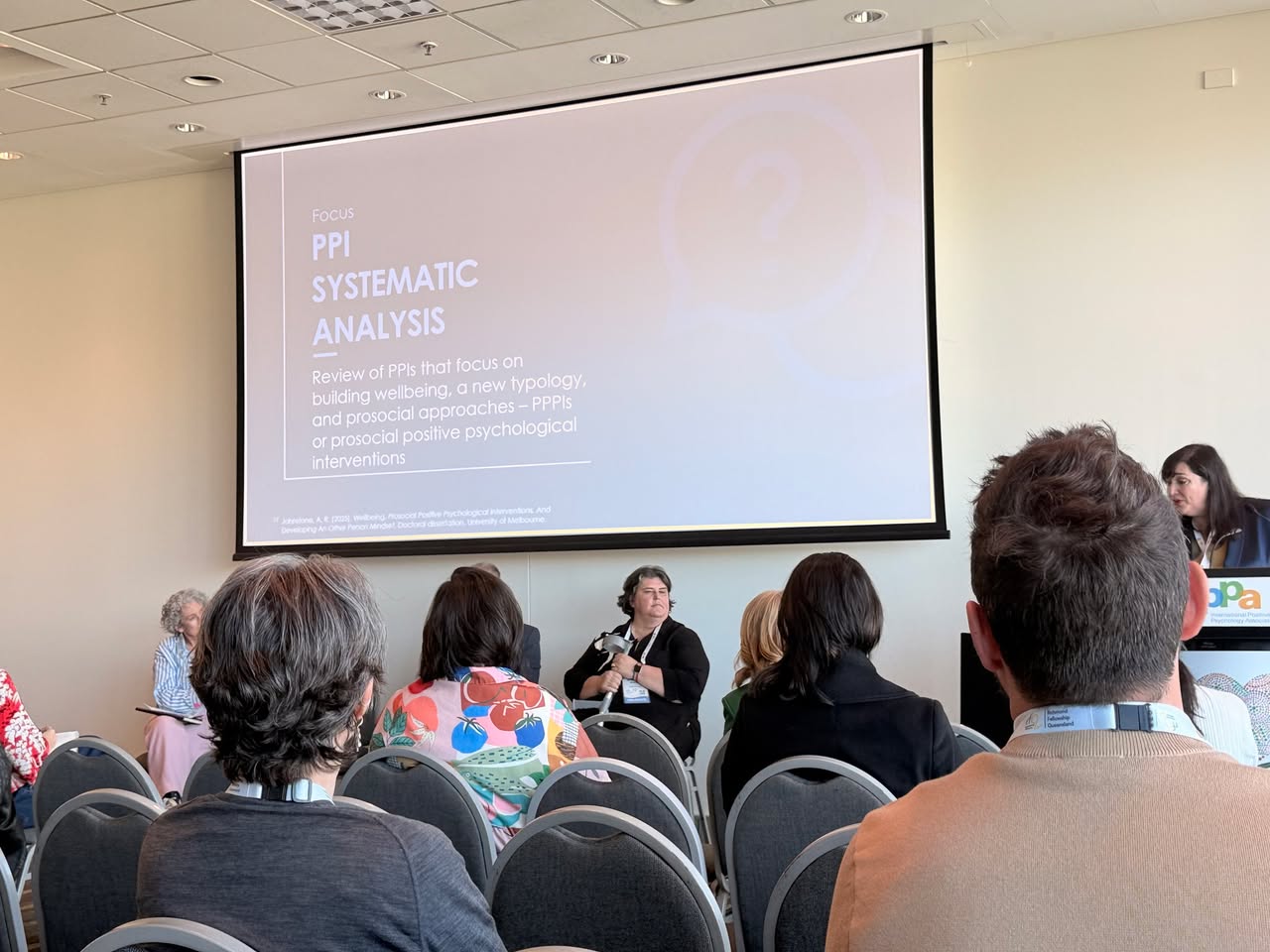
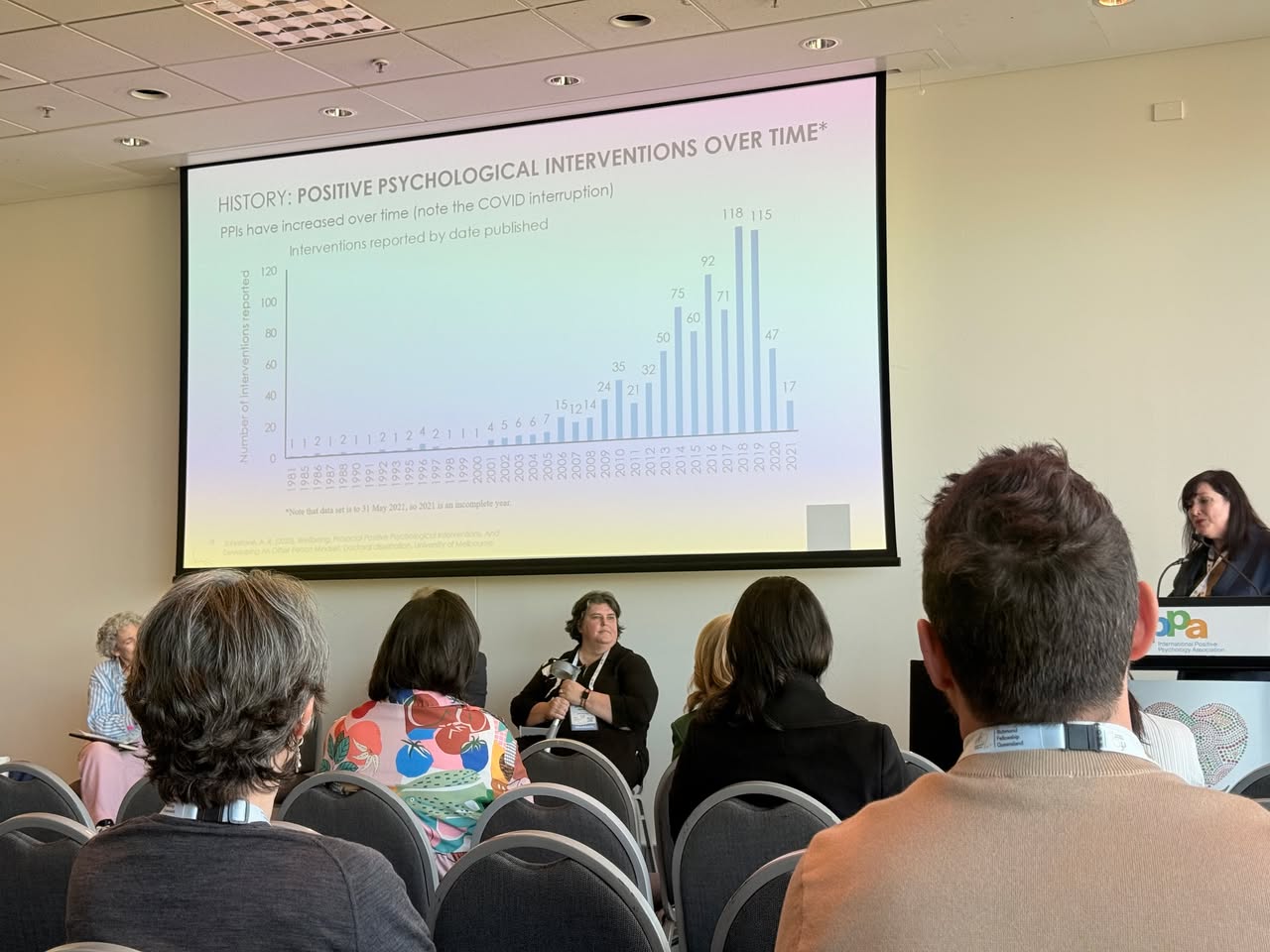
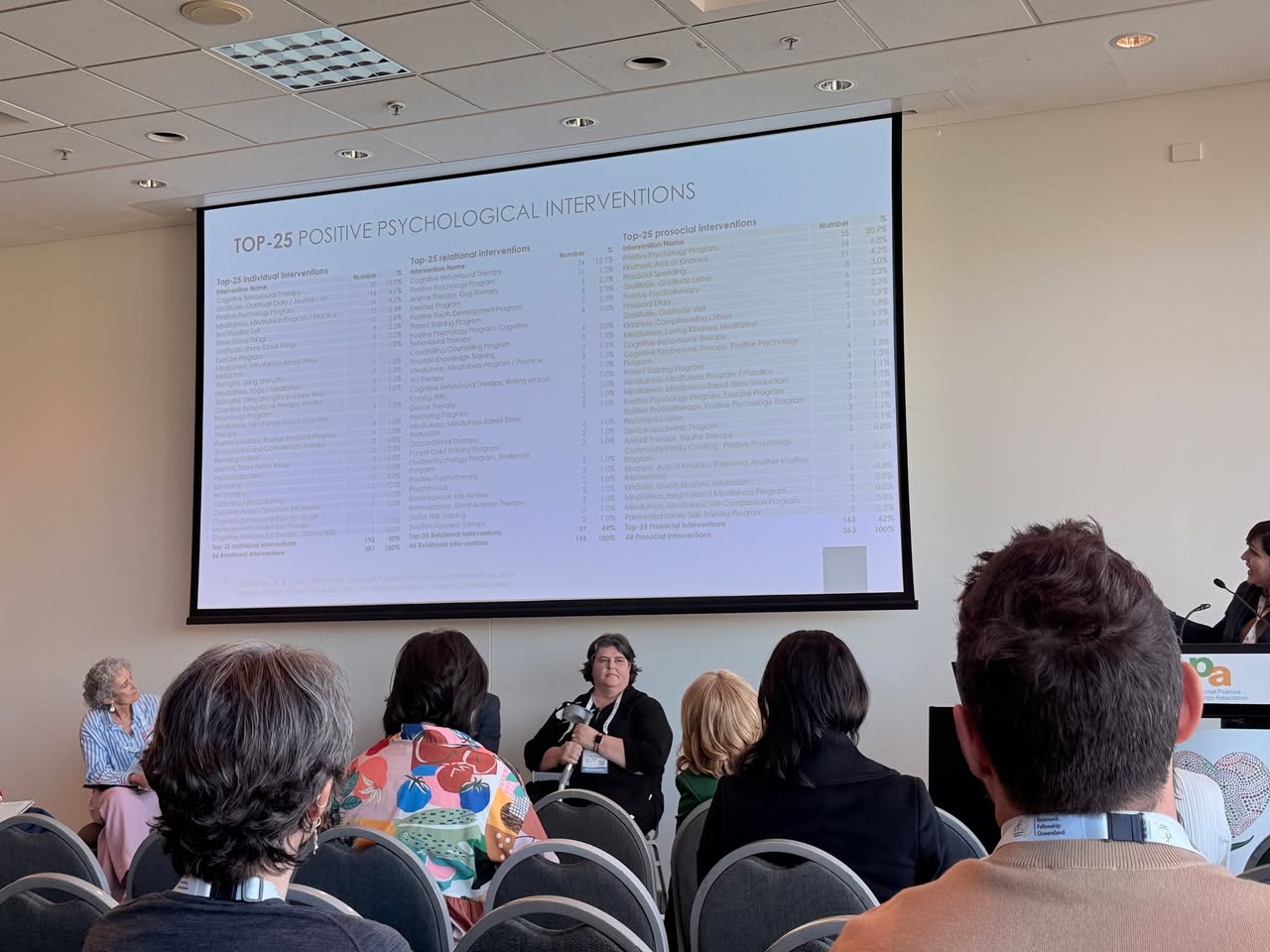
Provocation Session IS THE SCIENCE-PRACTICE NEXUS JUST SOCIALLY-AGREED RHETORIC IN POSITIVE PSYCHOLOGY? Dades, I.G., Quinlan, D., Roache, A., & Johnstone, A. IPPA World Congress, Brisbane, 2025 IS THE SCIENCE-PRACTICE NEXUS JUST SOCIALLY-AGREED RHETORIC IN POSITIVE PSYCHOLOGY? Do we apply the science, or is science a post hoc justification of our actions? (Lindsay) Do we conveniently ignore external validity issues when generalising to non-WEIRD populations? (Annalise) Do we ignore structural and systemic issues? (Denise) Do we overlook the modest effect sizes of positive psychology interventions (PPIs)? (Anne) The science-practice nexus? PRACTICE Science WEIRD Science Meet the most studied human on earth: the American psychology undergrad Arnett (2016); Henrich (2010); Rad, Martingano, & Ginges (2018) Most wellbeing science comes from a few slices of the world the 'Global North', the wealthy West. But our definitions? Our interventions? They're expected to be applied globally. ASIA EUROPE NORTH AMERICA AFRICA SOUTH AMERICA AUSTRALI What shapes the way you work? What voices, values, or worldviews might be present or missing in your work? These are some of the invisible norms: ■ Whiteness ■ Able-bodiedness ■ Heteronormativity ■ Cis-gender ■ Speaking English ■ Having free time And when we treat these norms as the baseline — even unconsciously — we risk building interventions and tools that only work for the few. If wellbeing is shaped by power, systems, and context — then so is our science. So is our practice. What would change if we started from somewhere else? What's invisible that needs to be seen? What would it mean to practice Positive Psychology as a tool for equity, not just wellbeing? Are we making space for lived experience, or just "expertise"? This isn't about guilt or blame. It's about responsibility and clarity. If we want positive psychology to truly serve the world, we need to ask: Who holds the power to shape this field? Who is included in the research? Whose stories are centred - and whose are still being left out? "If we can't see a problem, we can't fix a problem." Kimberlé Crenshaw PROBLEM/SOLUTION WE NEED EMPIRICALLY TESTED INTERVENTIONS Problem High burden of mental health disorders Antidote Higher wellbeing - Treat deficit - Build surplus - Connectedness and belonging - Research and interventions Action: Interventions ACTIONS THAT CHANGE YOUR THINKING - IPA - PPPh THINKING THAT CHANGES YOUR ACTIONS - CBT - Mindfulness - OPM SHIFTING THE FOCUS: ME, WE, US Shifting the focus from ourselves Becoming more prosocial ME WE US An integrated 'me, we, approach can build wellbeing at the individual level (me), within our close loved (we) and at the target collective level (us). Research shows the interconnected benefits, and myriad existing positive psychological interventions offering options to raise us at all levels of the approach. WHAT SHOULD WE FOCUS ON? PPPI? • Prosocial behaviours lead to greater psychological flourishing than